Article
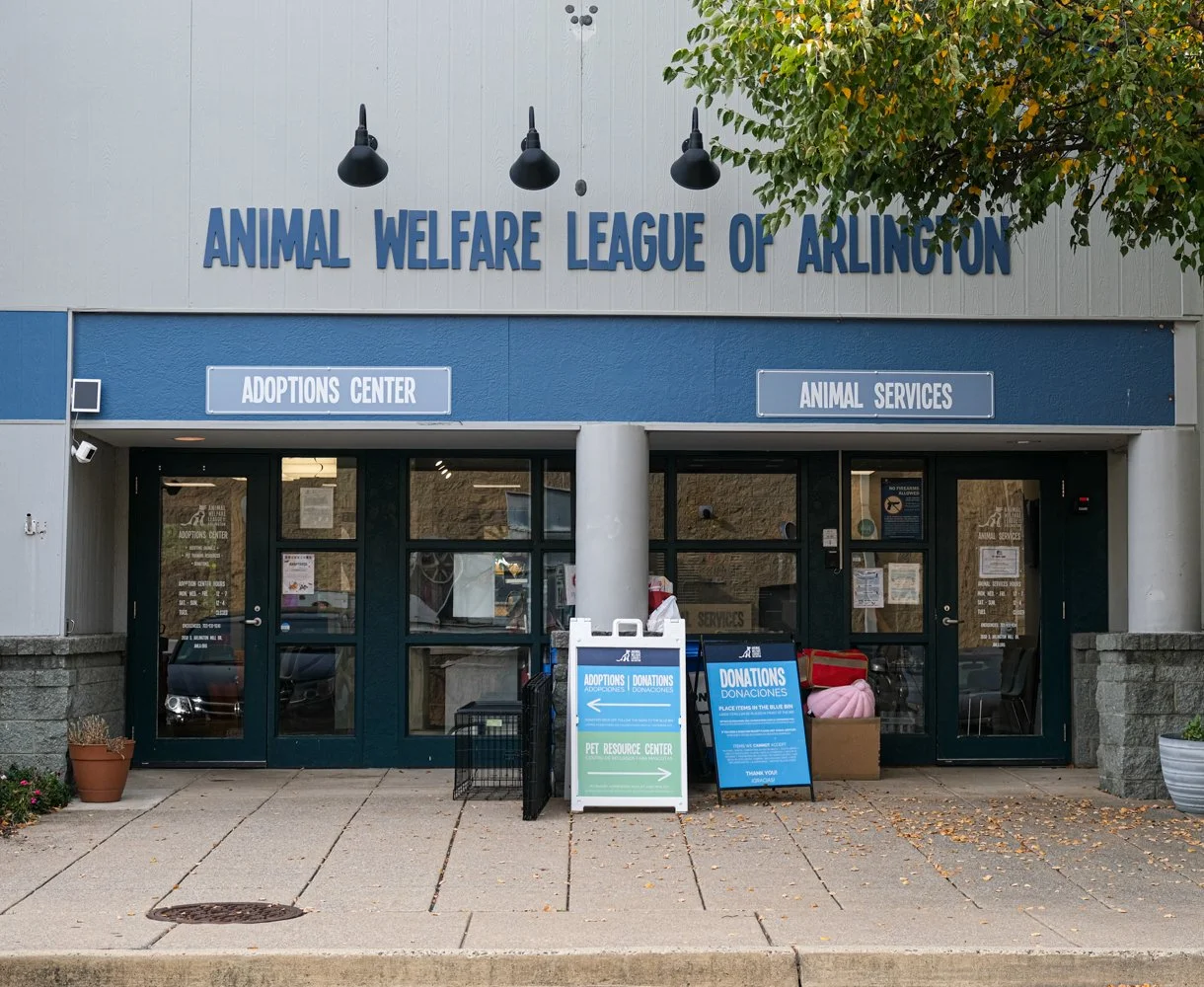
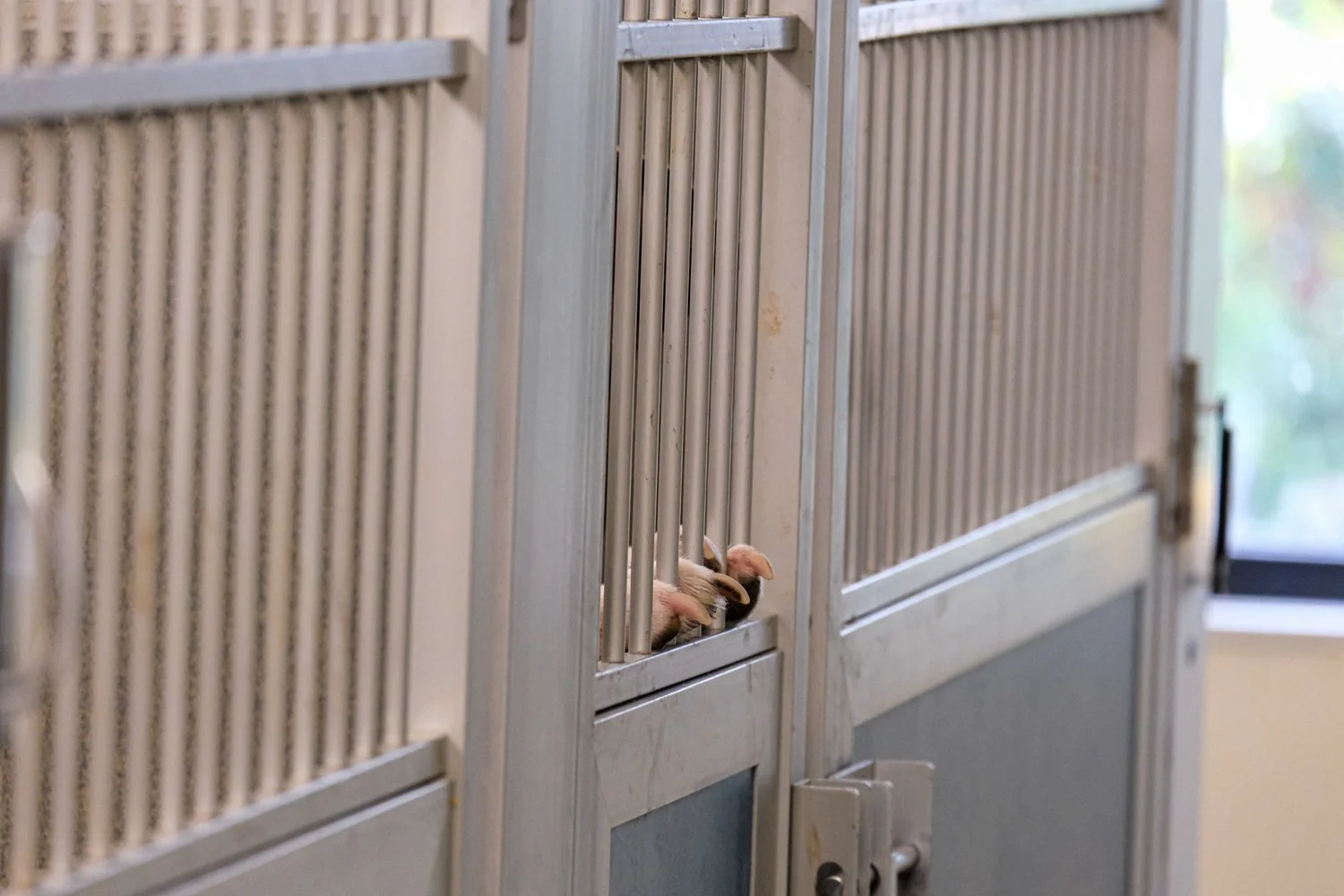
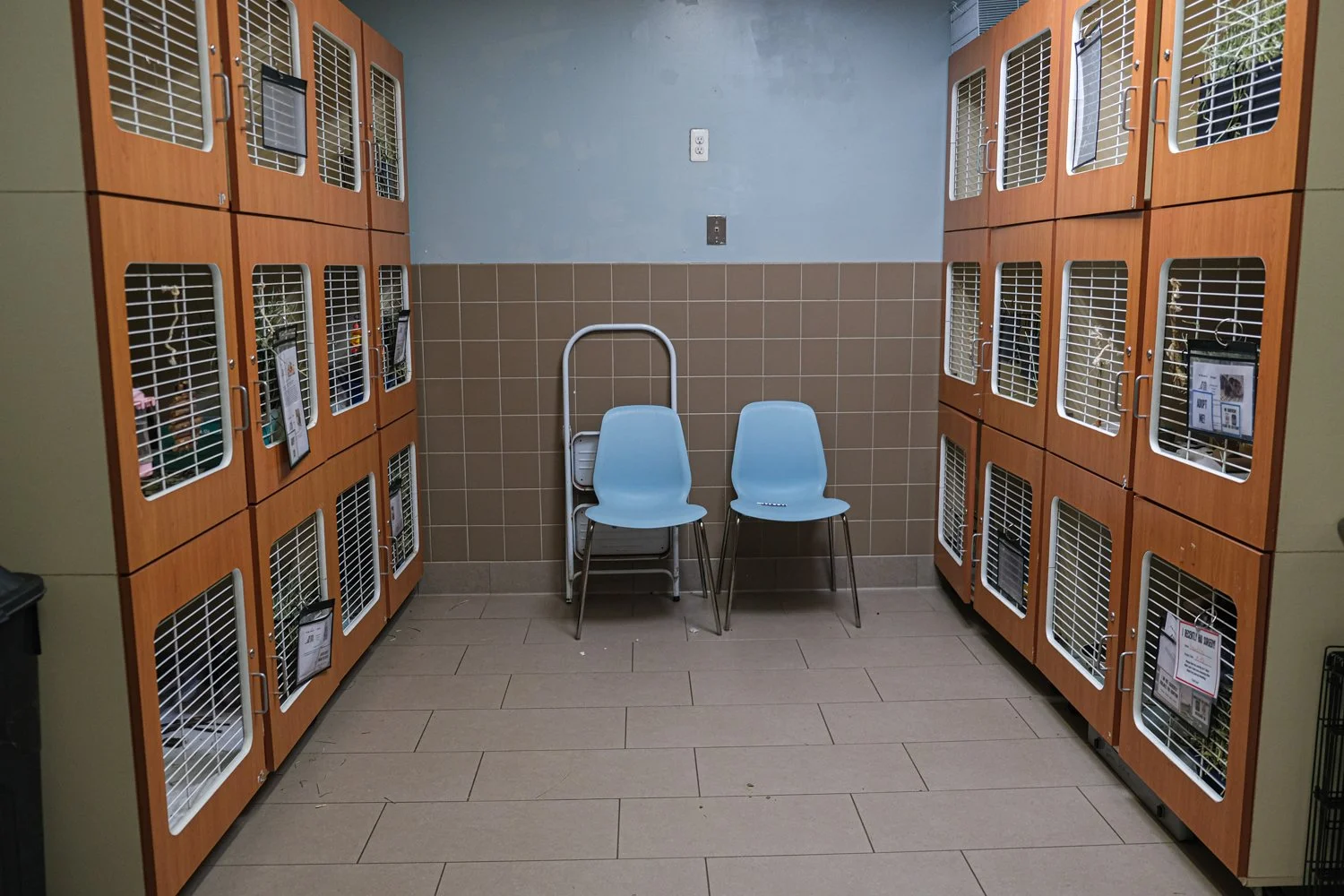
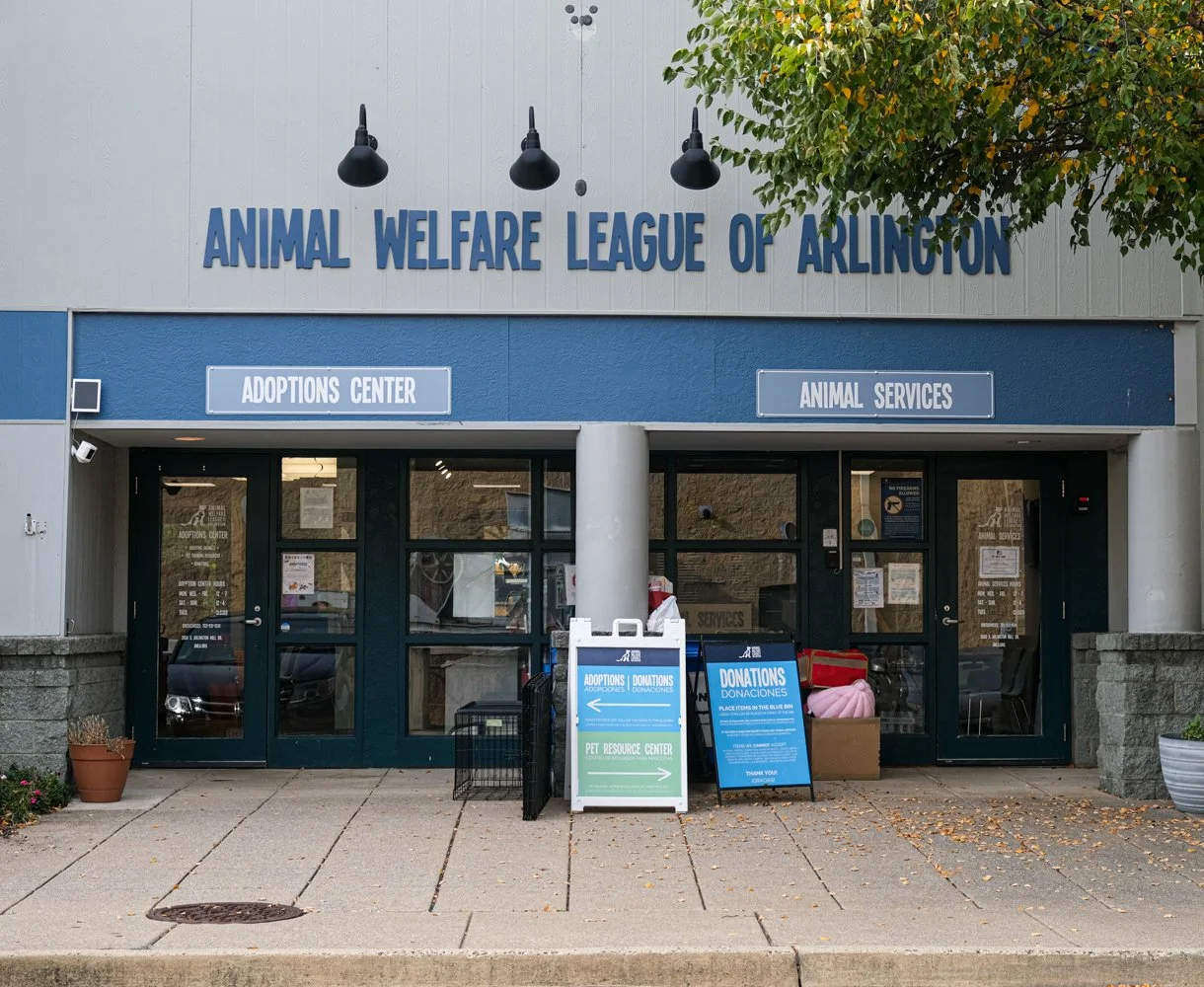
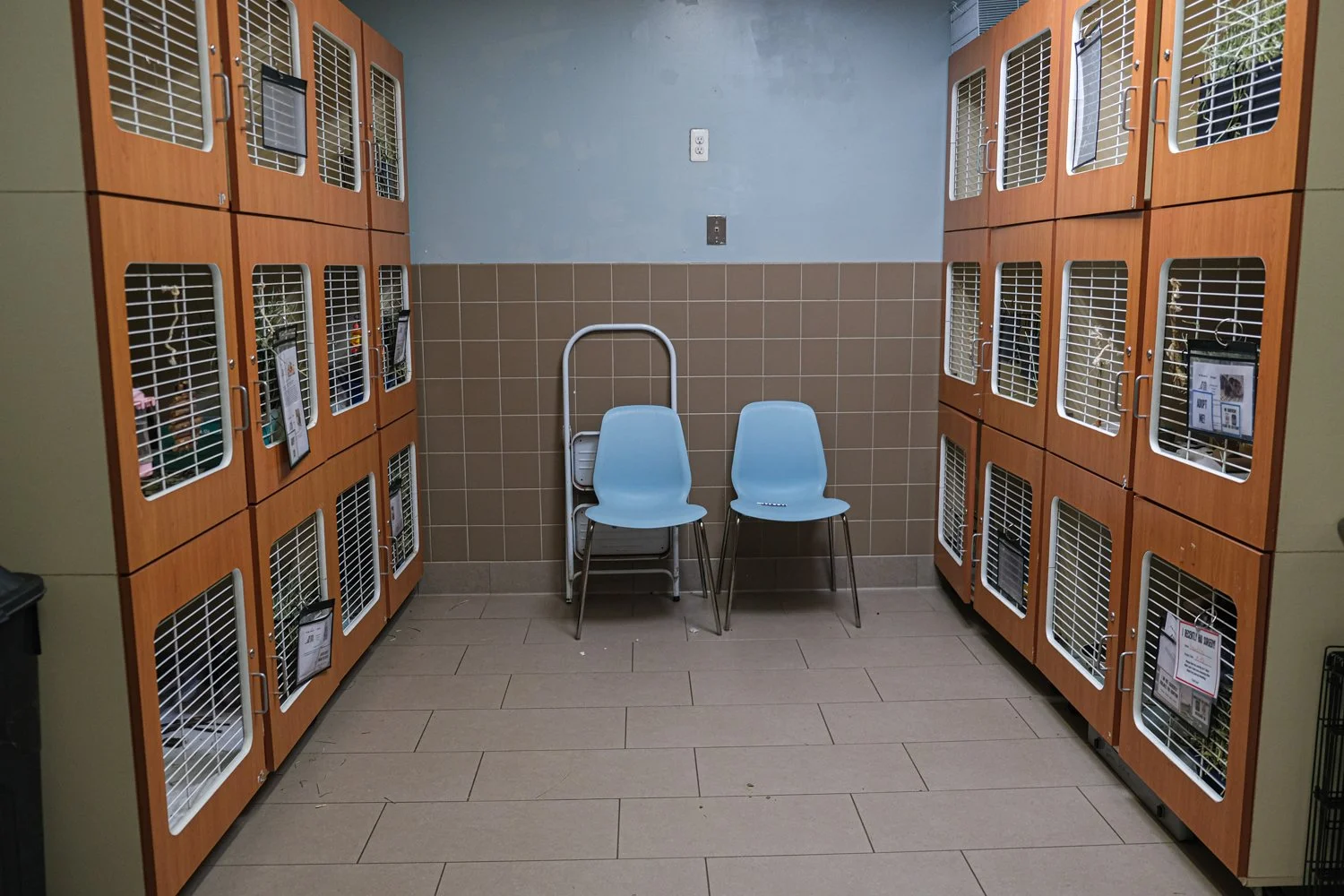
Animal shelters are frequently perceived as places where stray or abandoned pets wait to be adopted. Although there is some truth to this view, it overlooks the larger and more significant role that many shelters perform. One such group is the Animal Welfare League of Arlington (AWLA). AWLA is a multidimensional community resource that serves Arlington County and the surrounding area, helping both animals and humans alike. AWLA has grown to be an essential part of its community through partnerships in animal control, food aid programs, educational outreach, and crisis-care services. AWLA addresses the reality that many pet owners encounter and was founded on the idea that human and animal welfare are closely related. People frequently have to make difficult choices about their pets due to medical emergencies, domestic abuse, housing instability, and economic instability. The American Society for the Prevention of Cruelty to Animals (ASPCA) reports that housing instability affects about 23 million American households annually, which commonly results in pet surrender. AWLA views these circumstances as chances for assistance, compassion, and involvement rather than as failures.
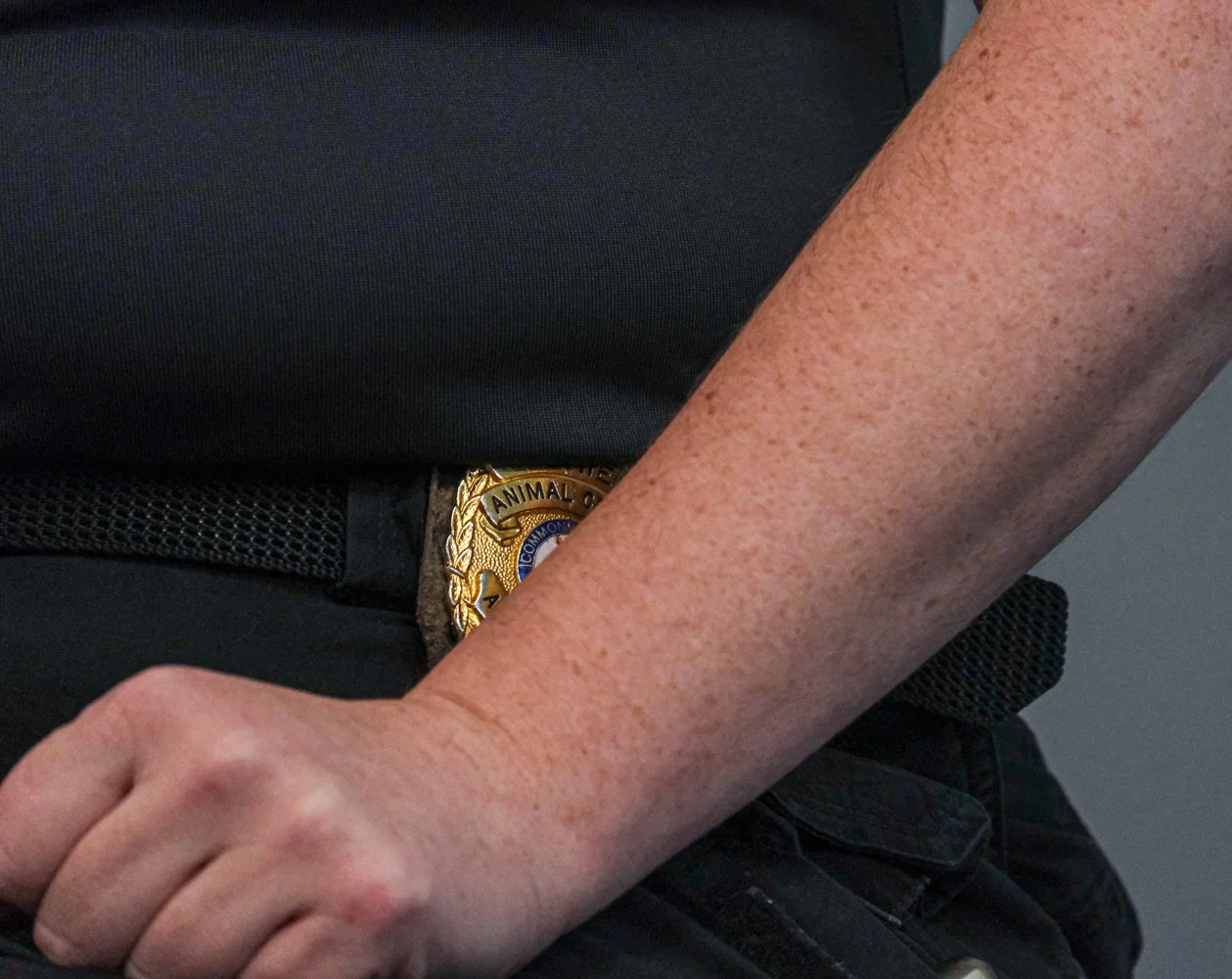
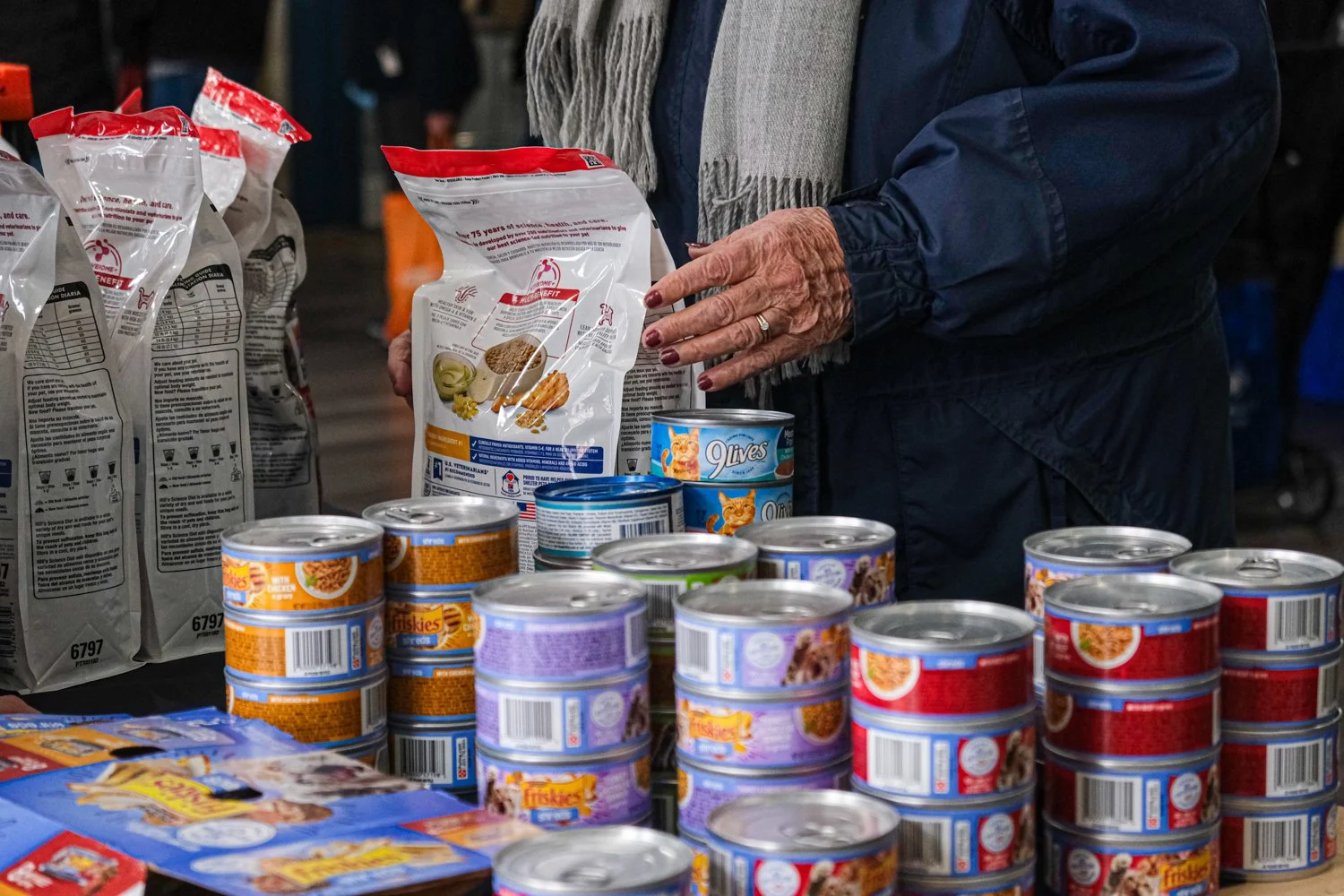
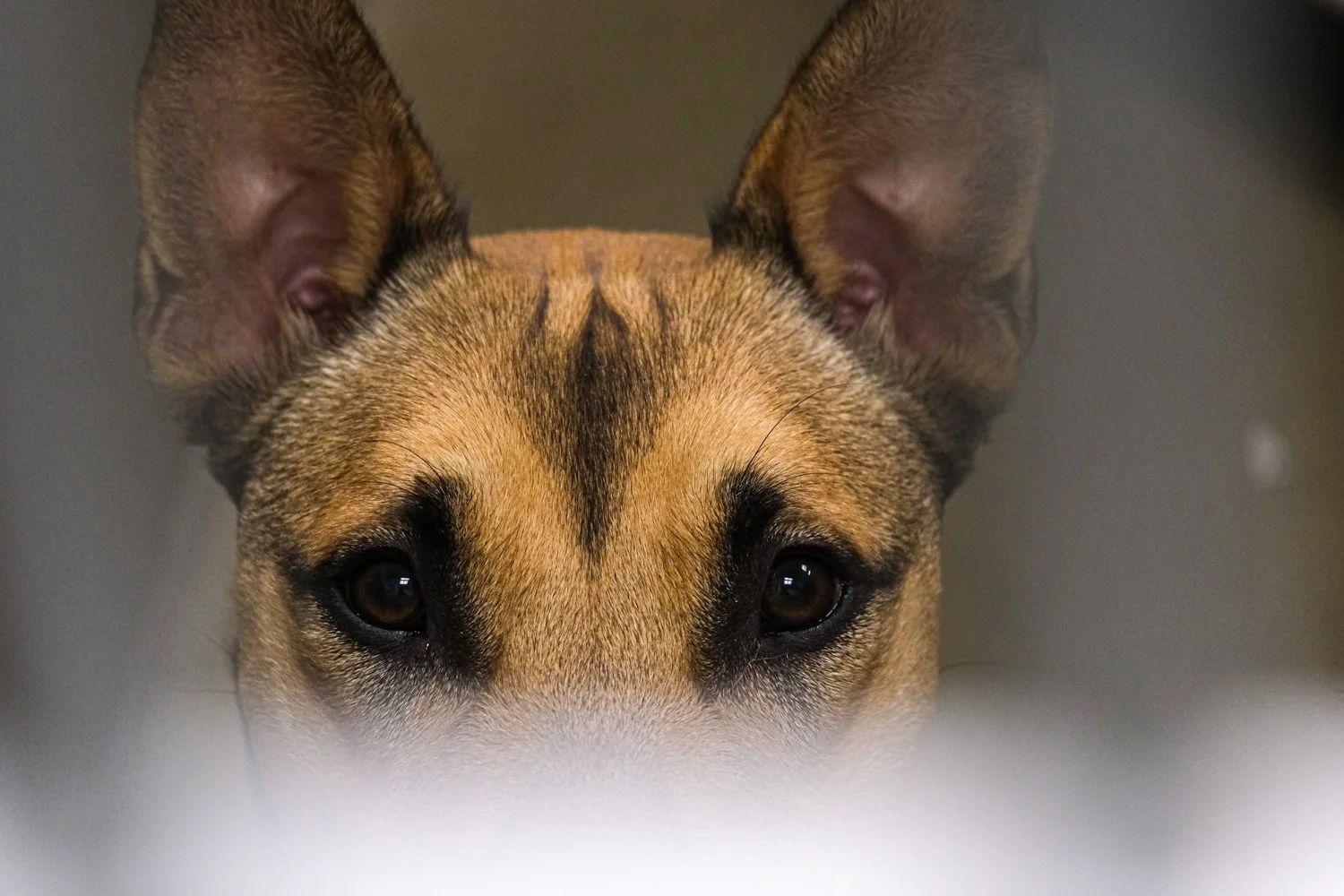
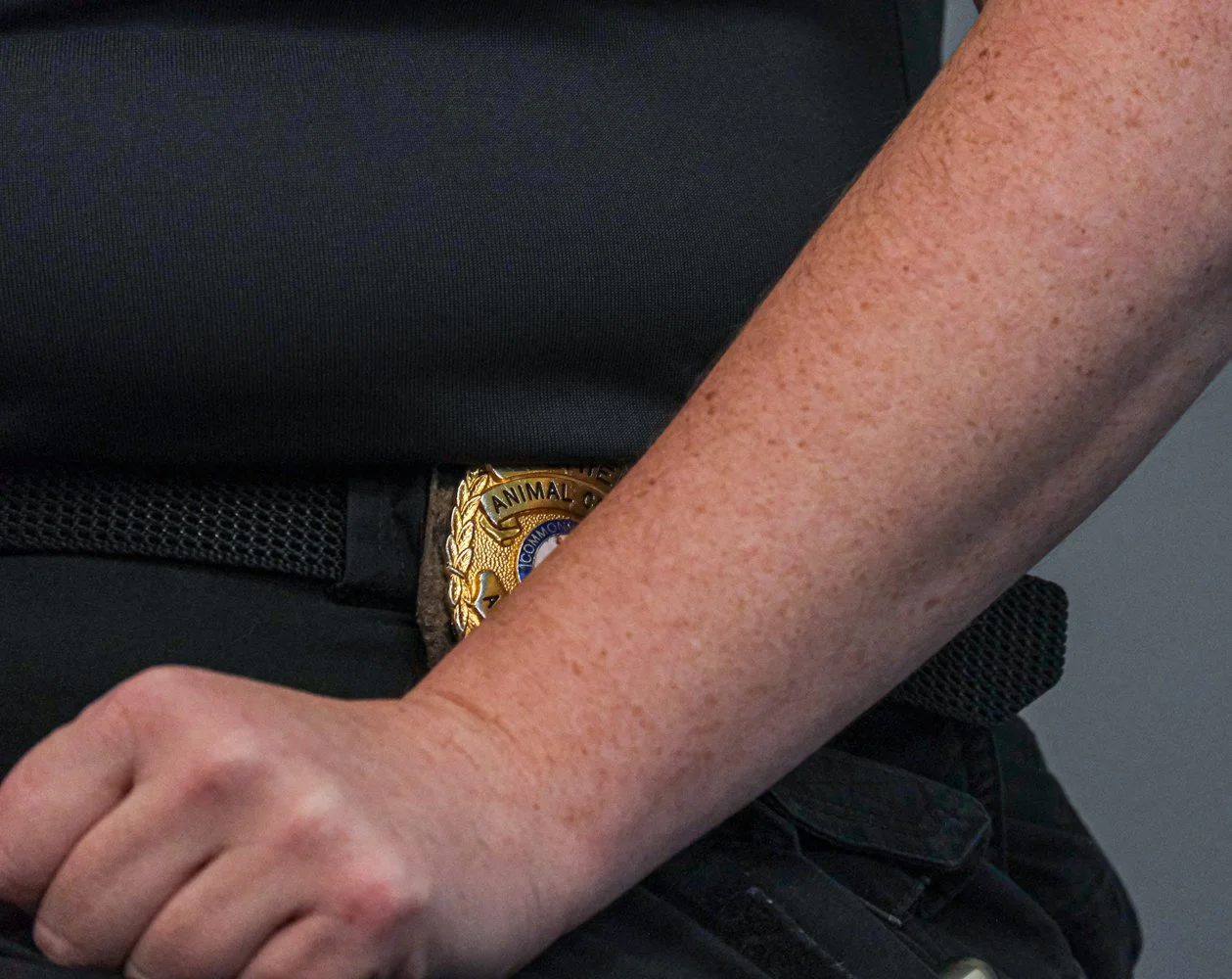
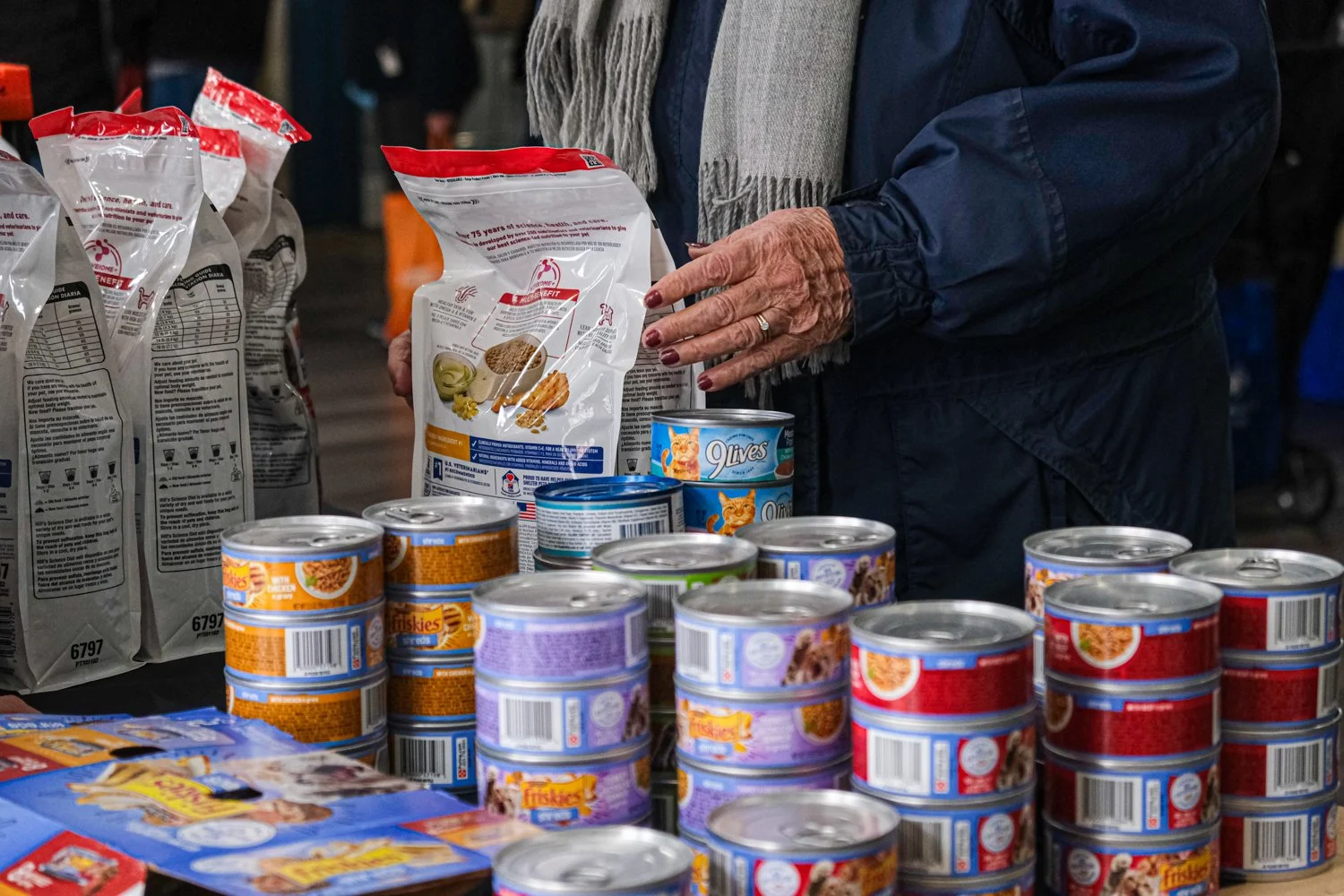
Additionally, the organization's "in-house" animal control services are one of their most successful initiatives. AWLA guarantees that stray, injured, or at-risk animals receive immediate treatment, medical attention, and shelter. Better results for animals, faster reaction times, and less demand on local resources. Additionally, AWLA runs a pet pantry and regularly organizes animal food drives, giving free food and supplies to families that are having trouble paying for their pets' basic needs. Access to pet food dramatically lowers the risk of pet surrender, keeping animals in loving homes and relieving owners of financial hardship.
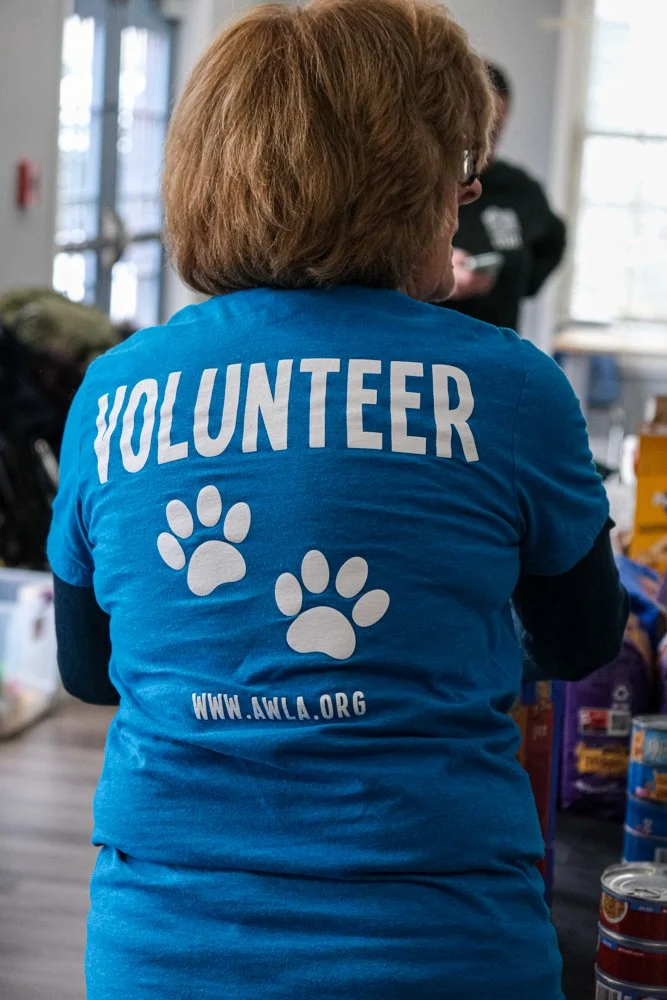
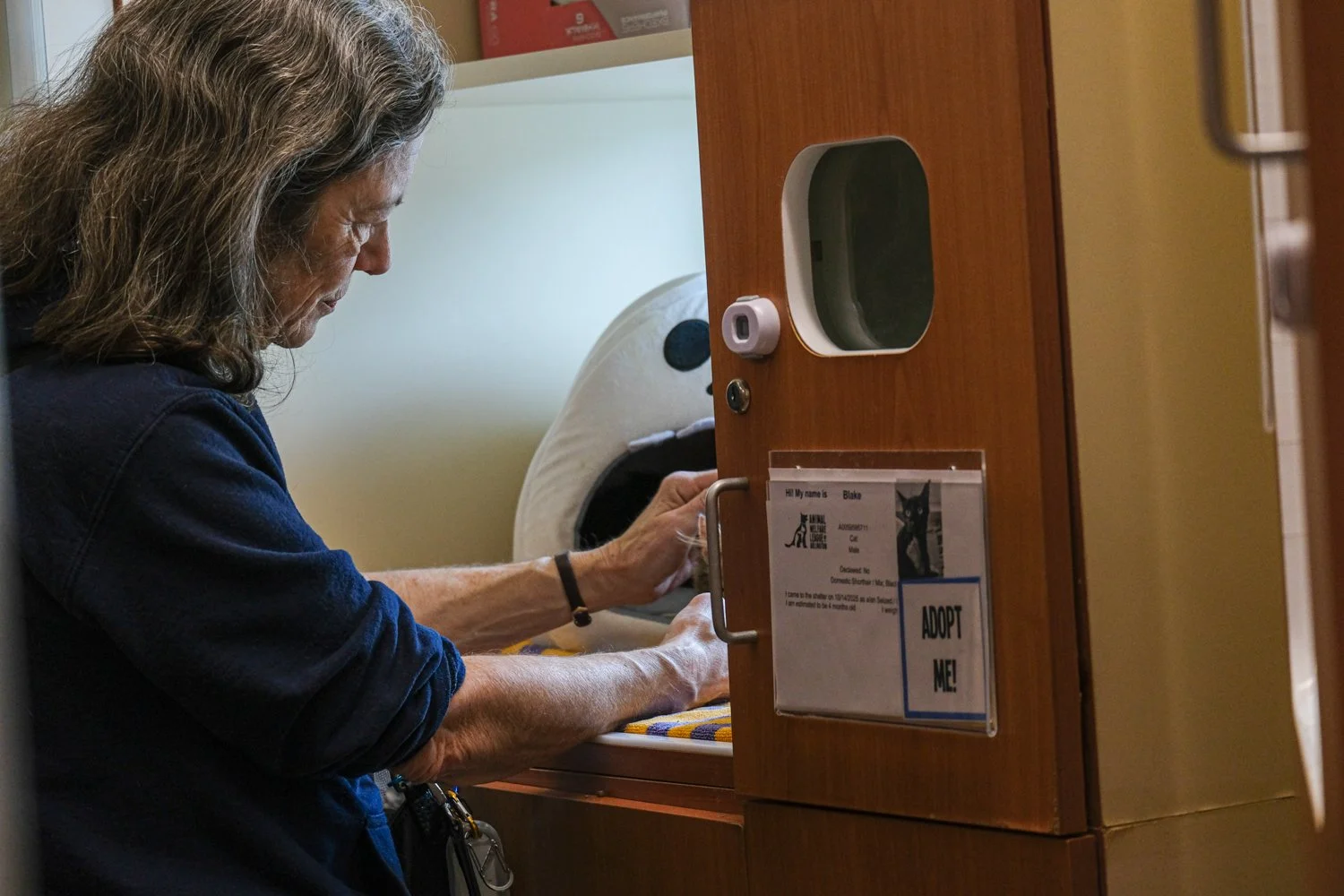
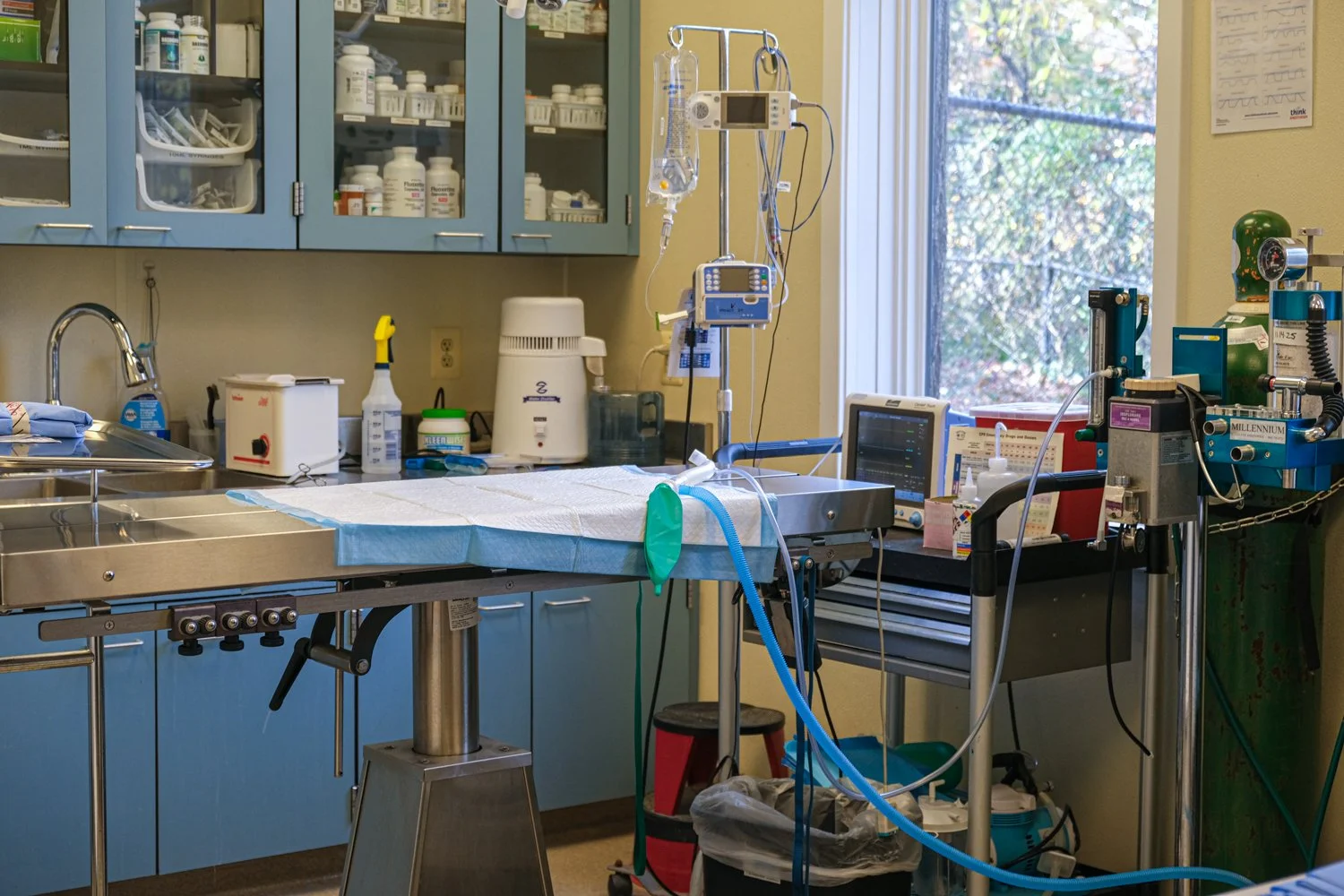
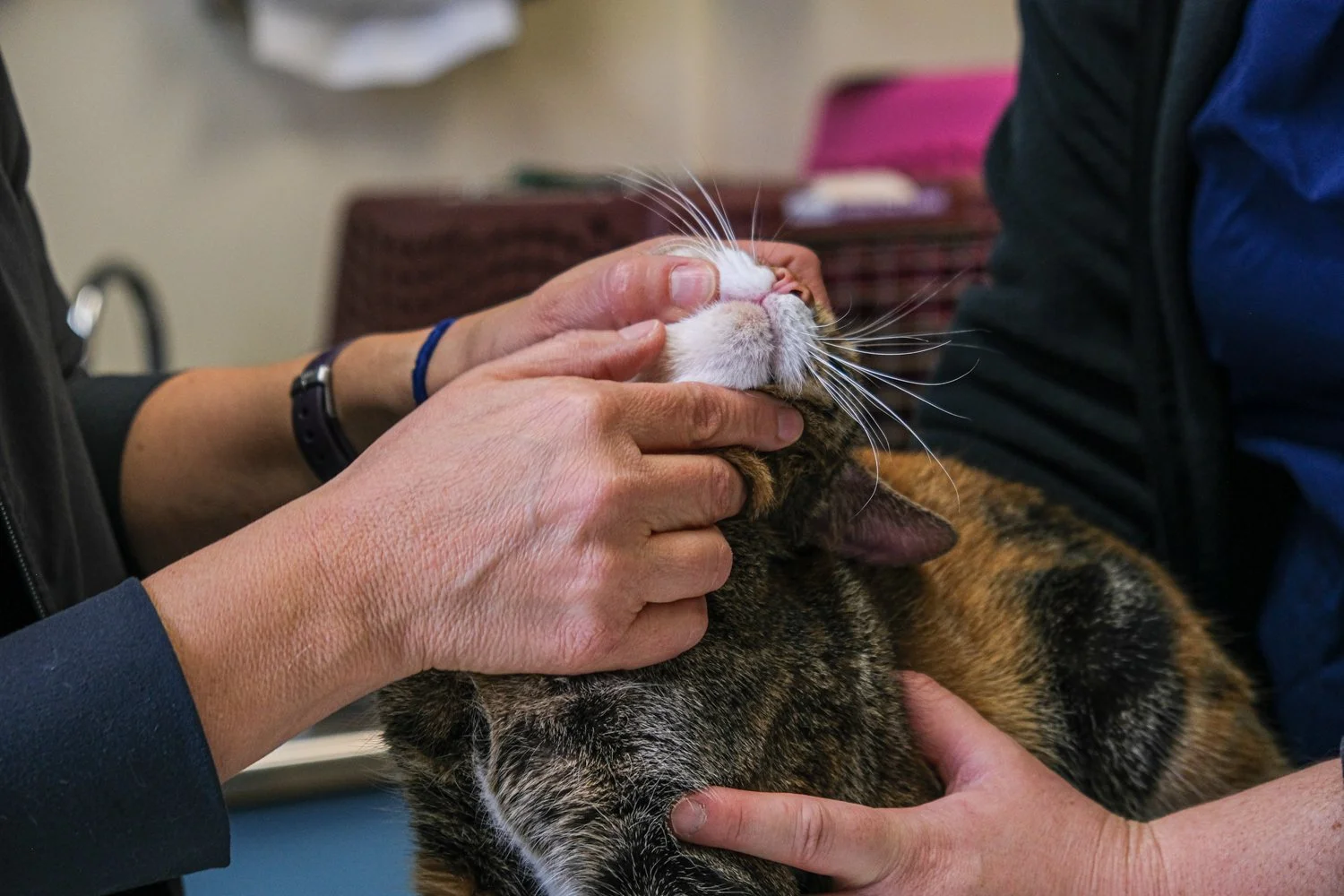
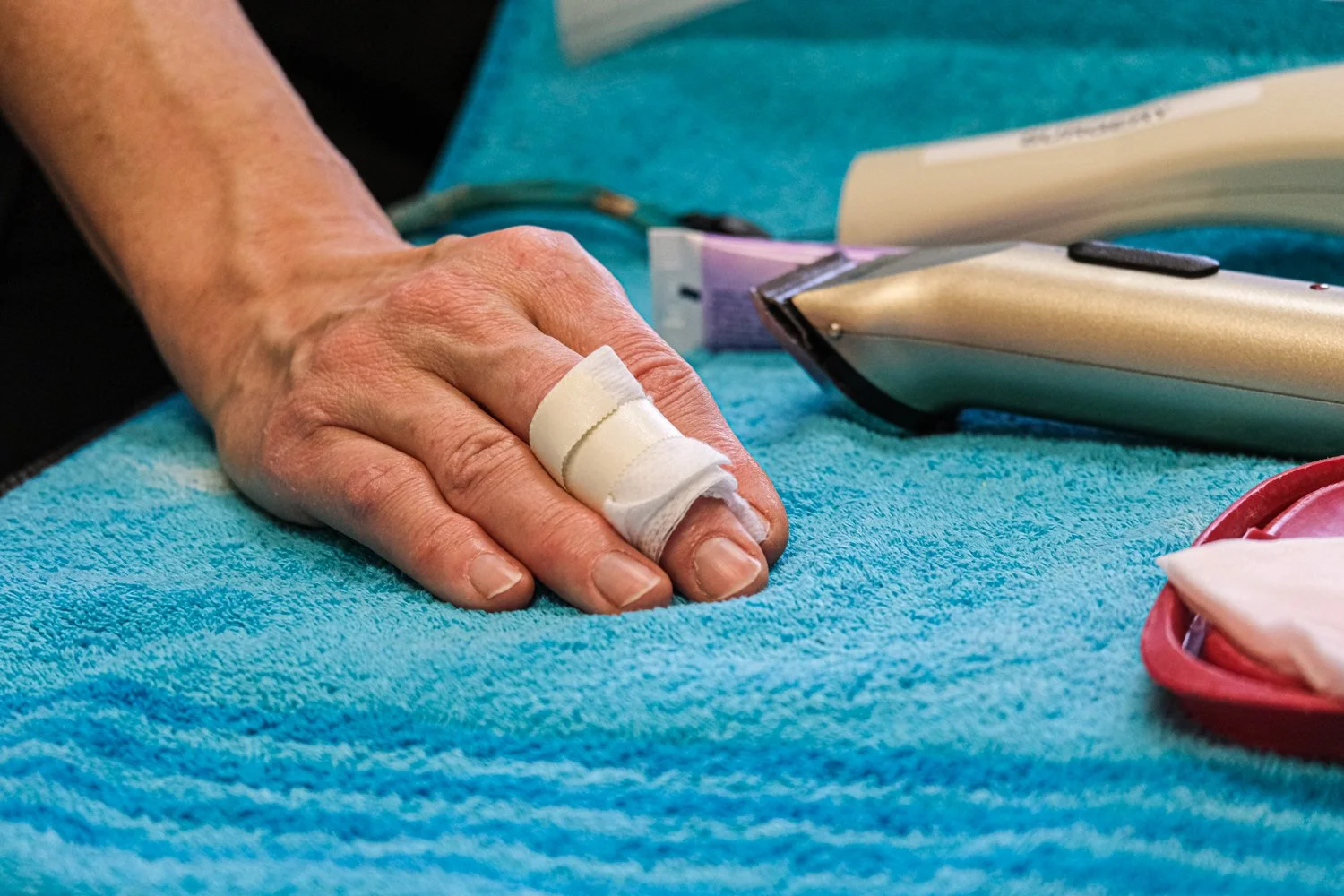
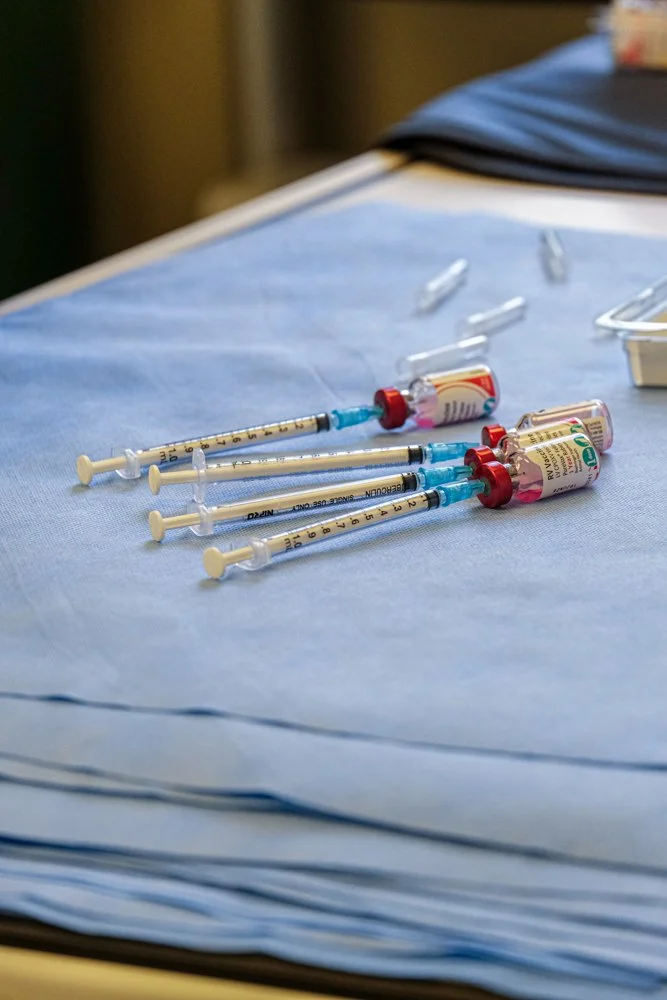
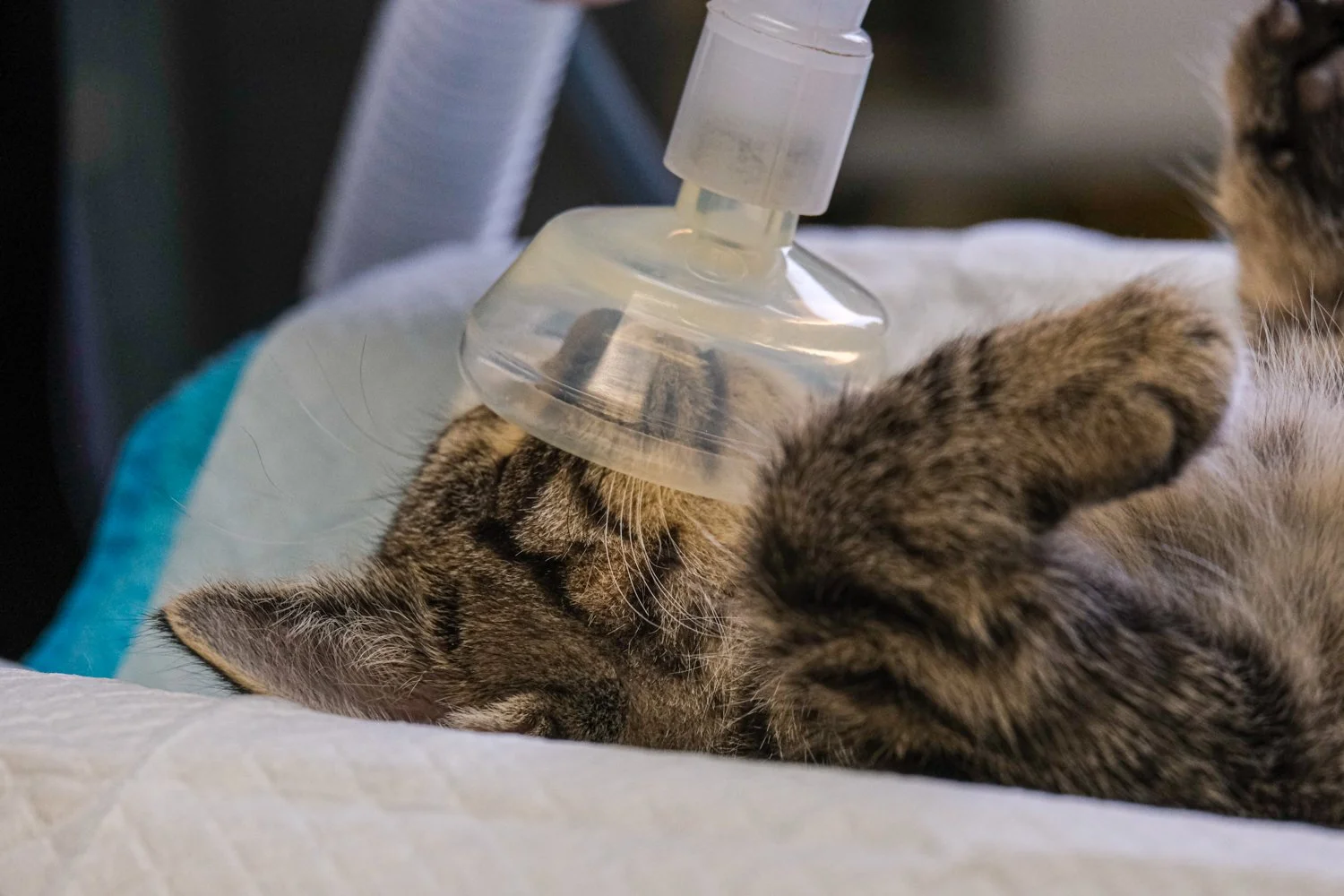
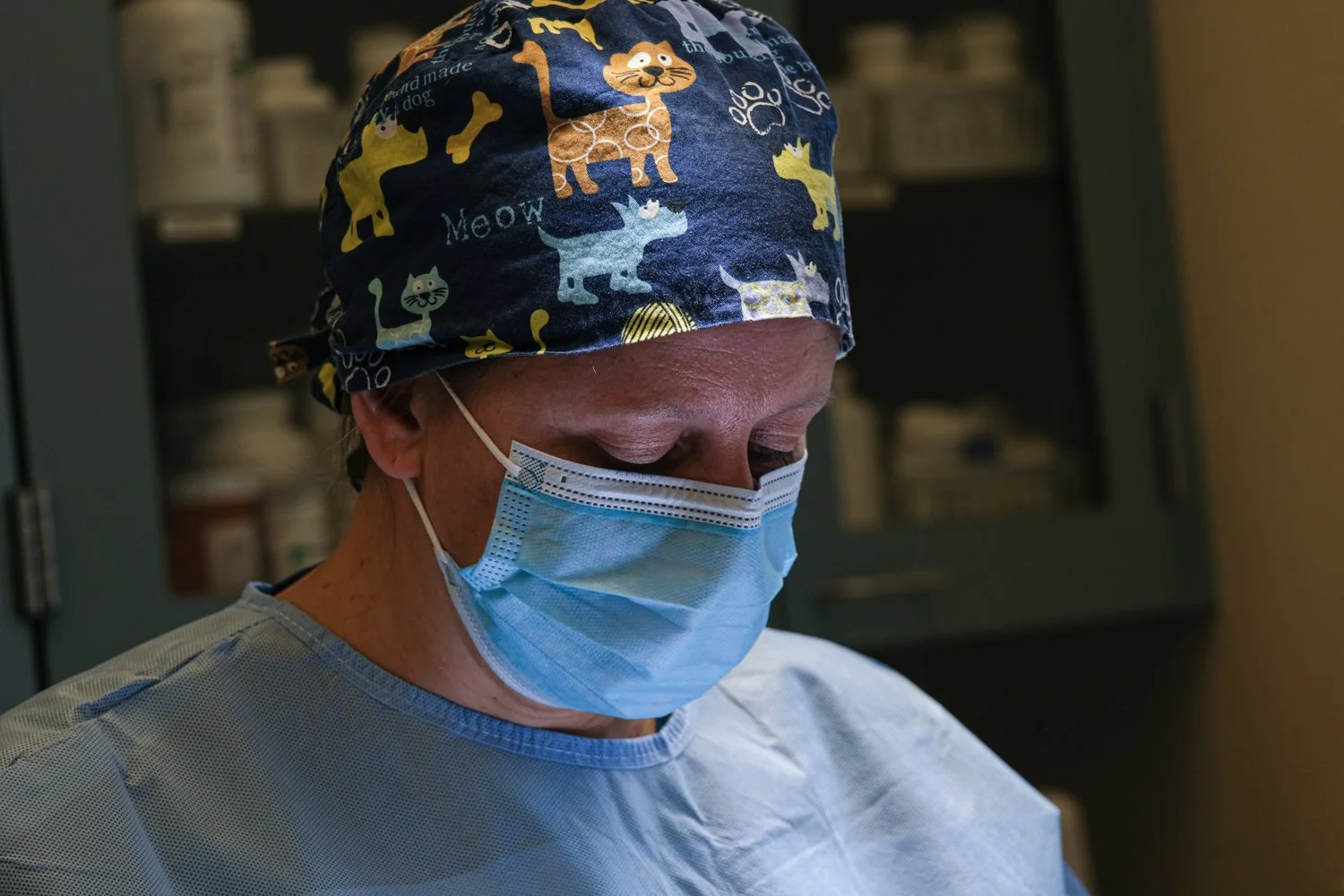
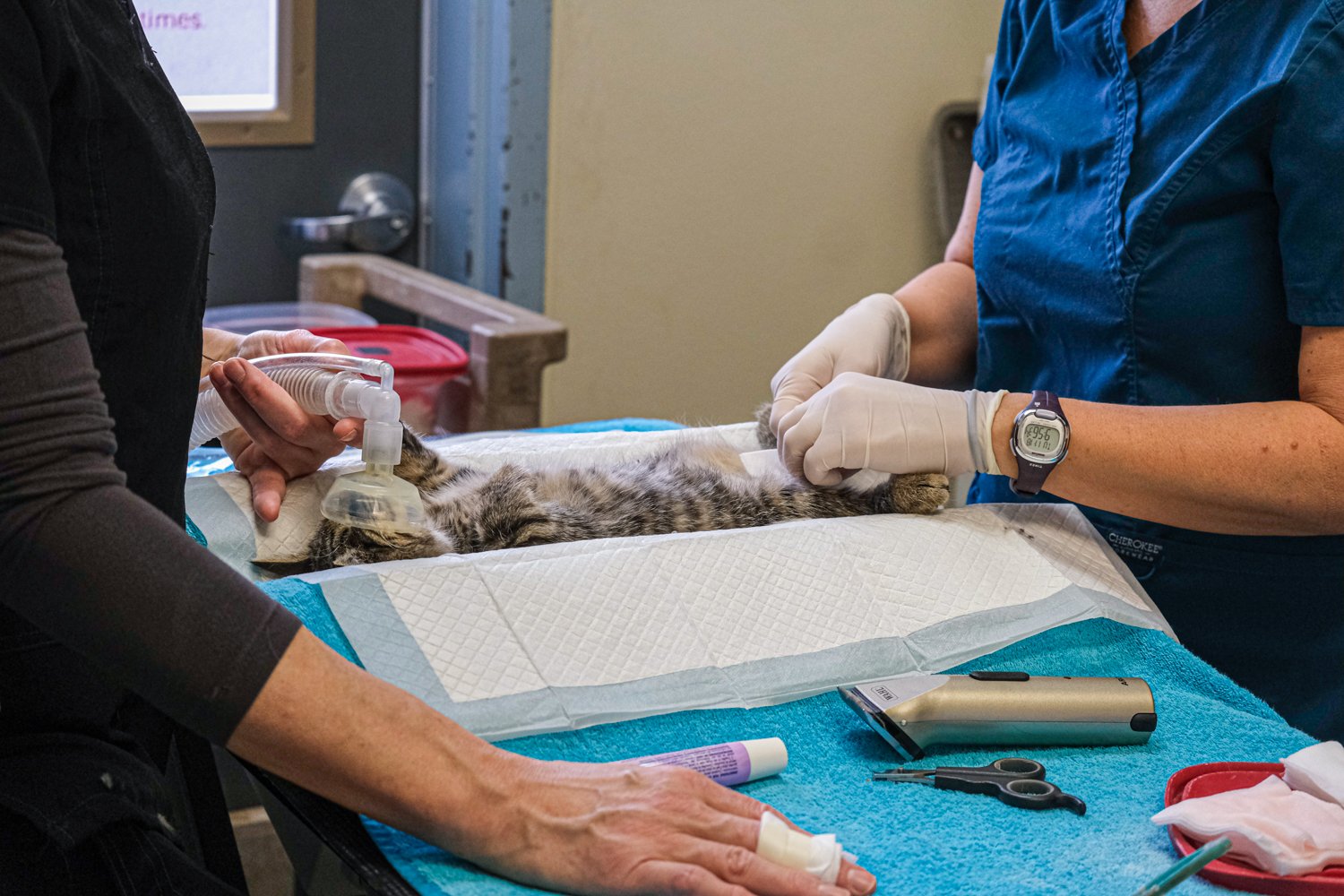
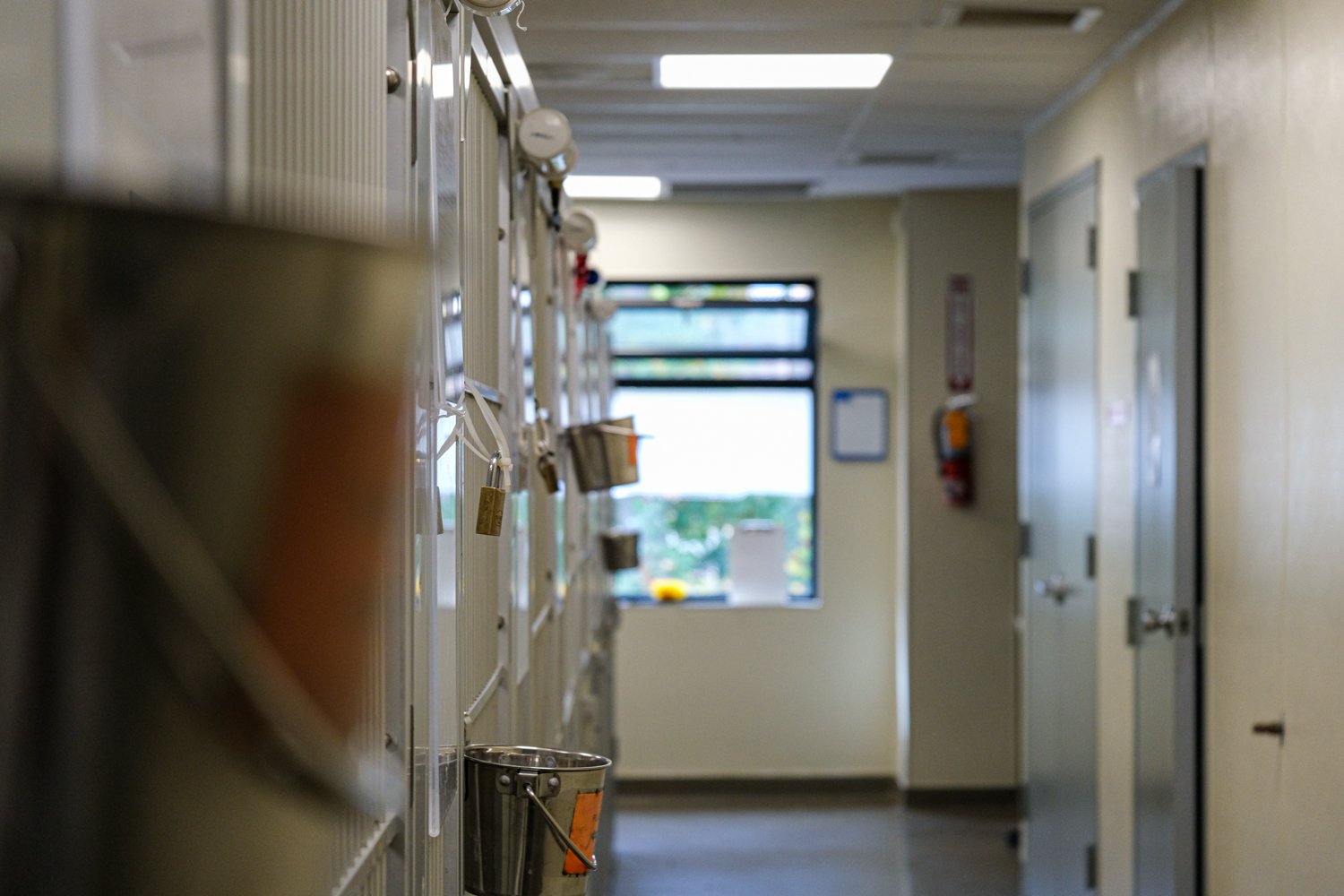
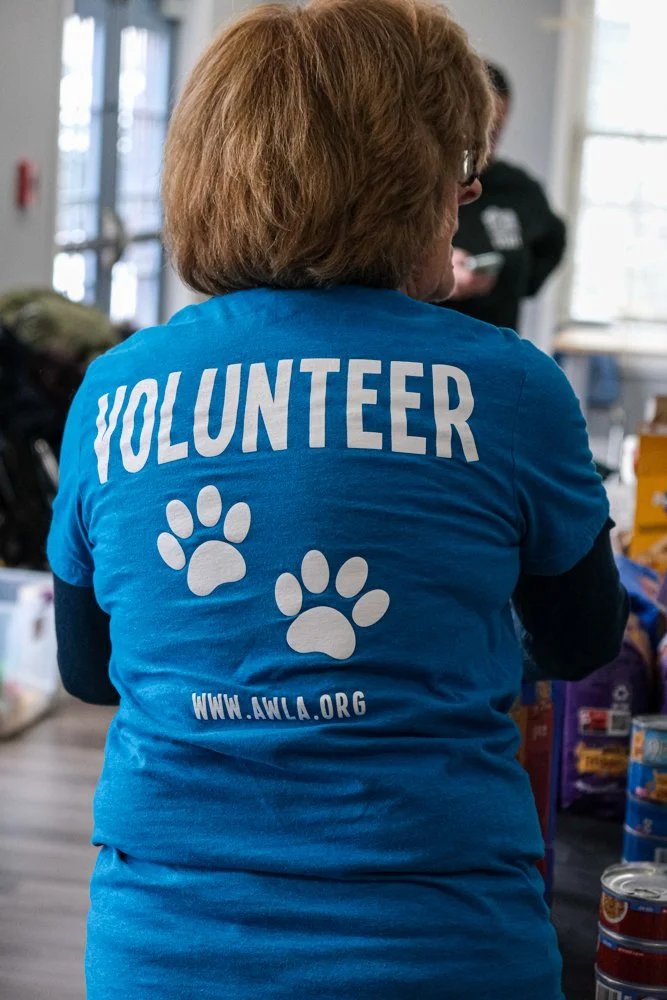
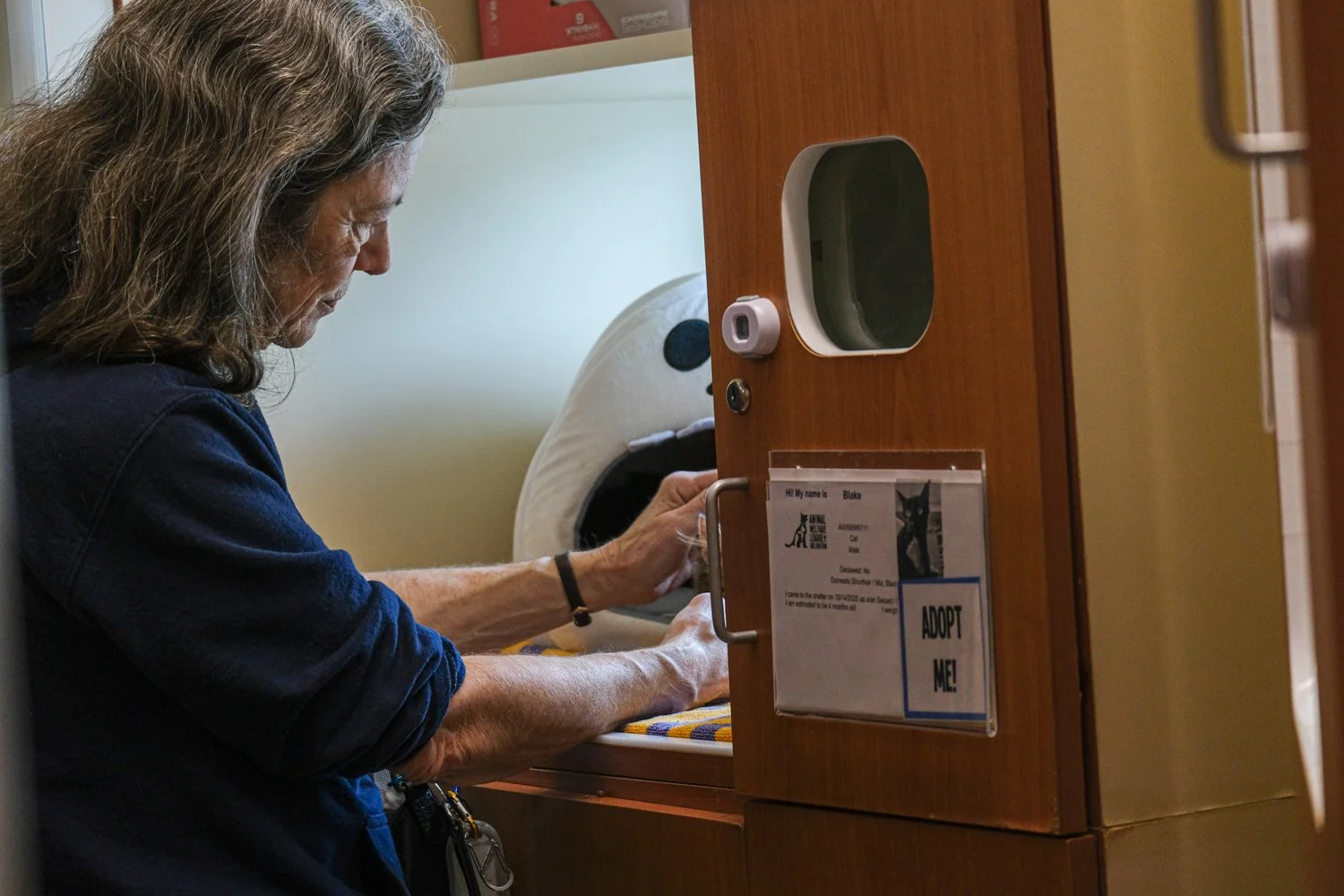
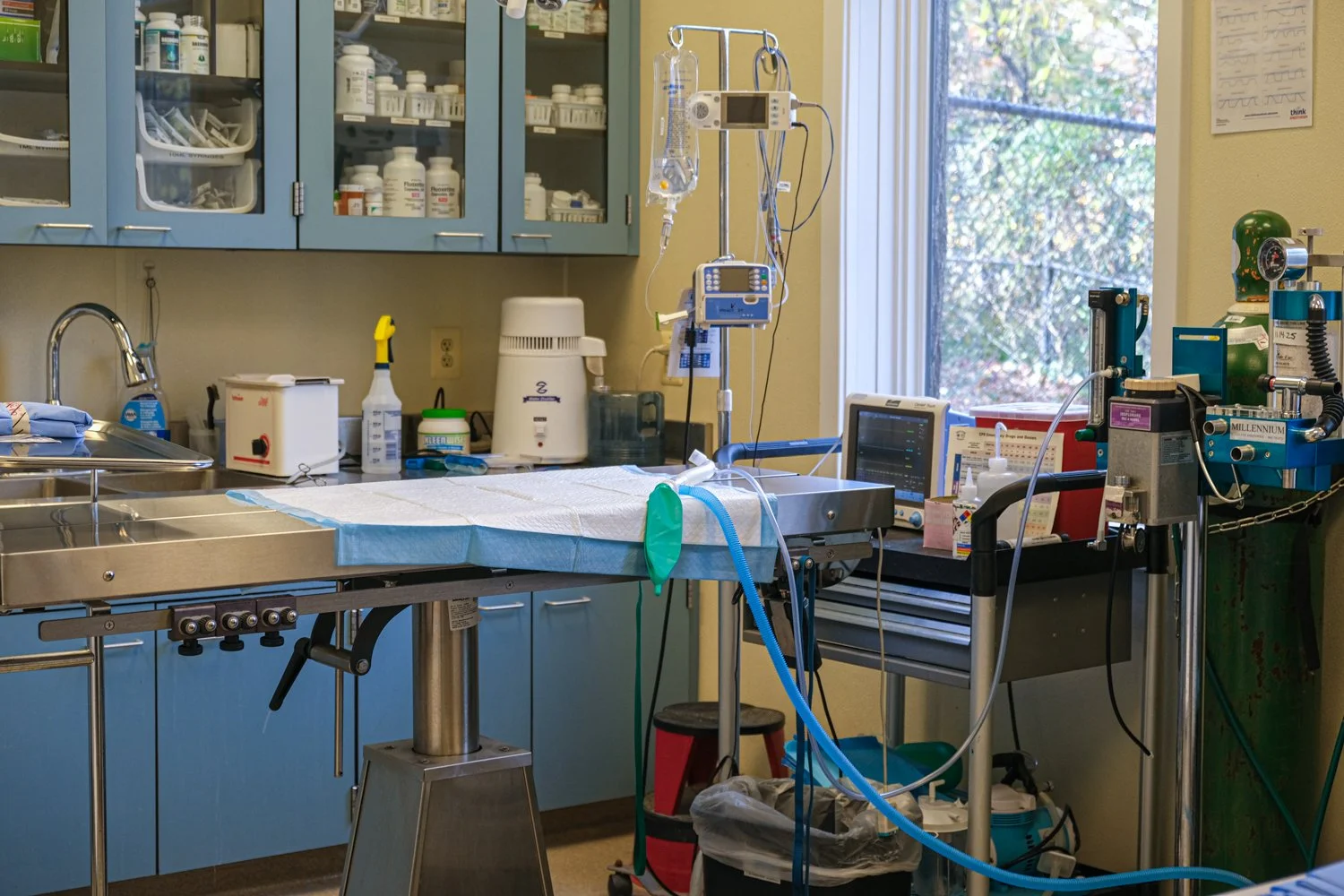
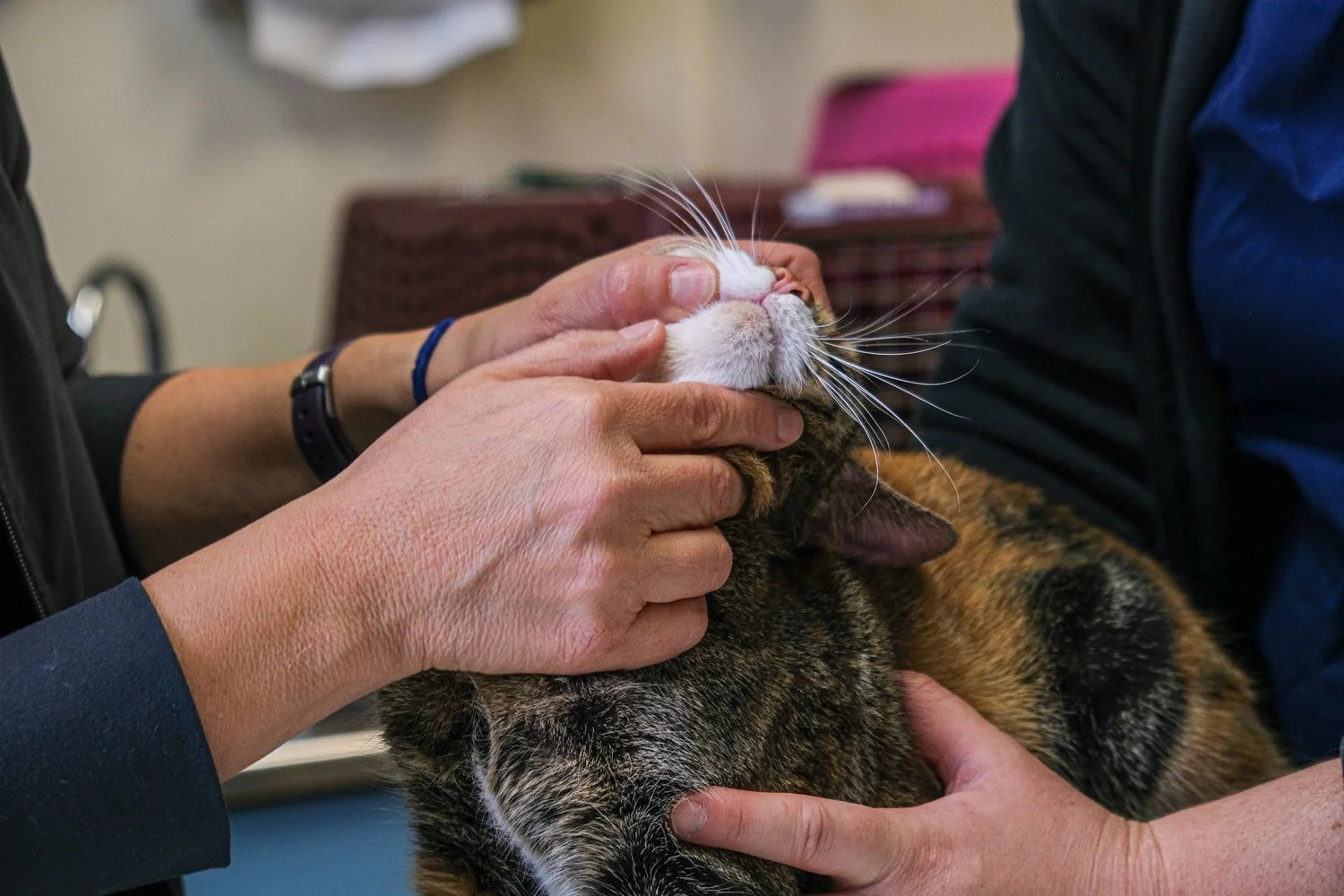
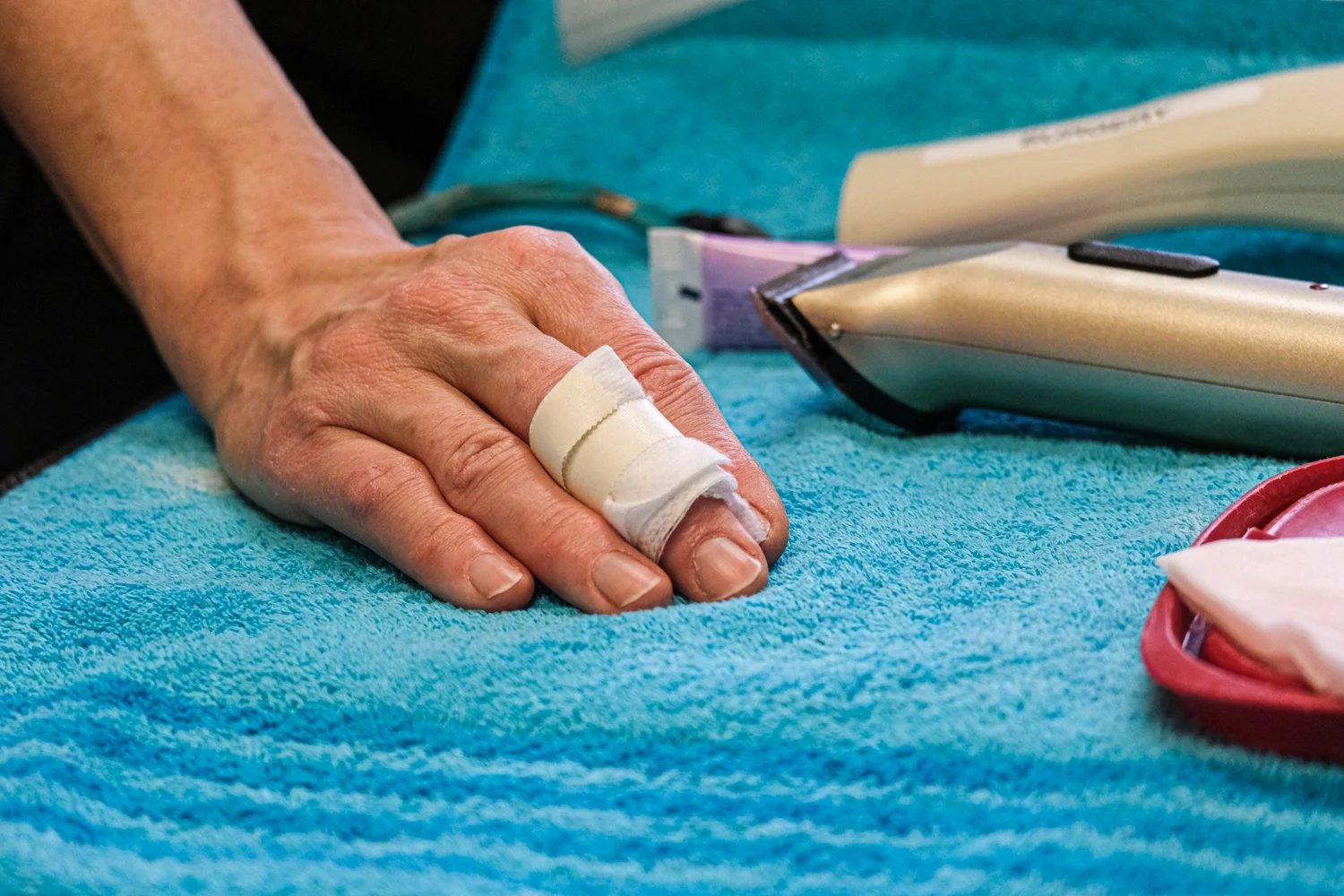
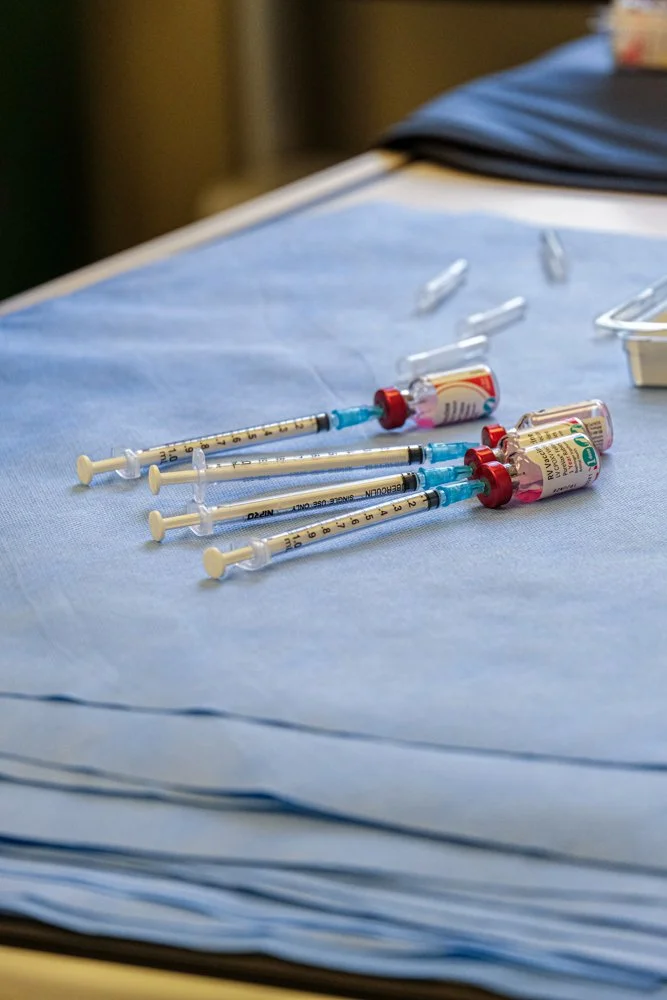
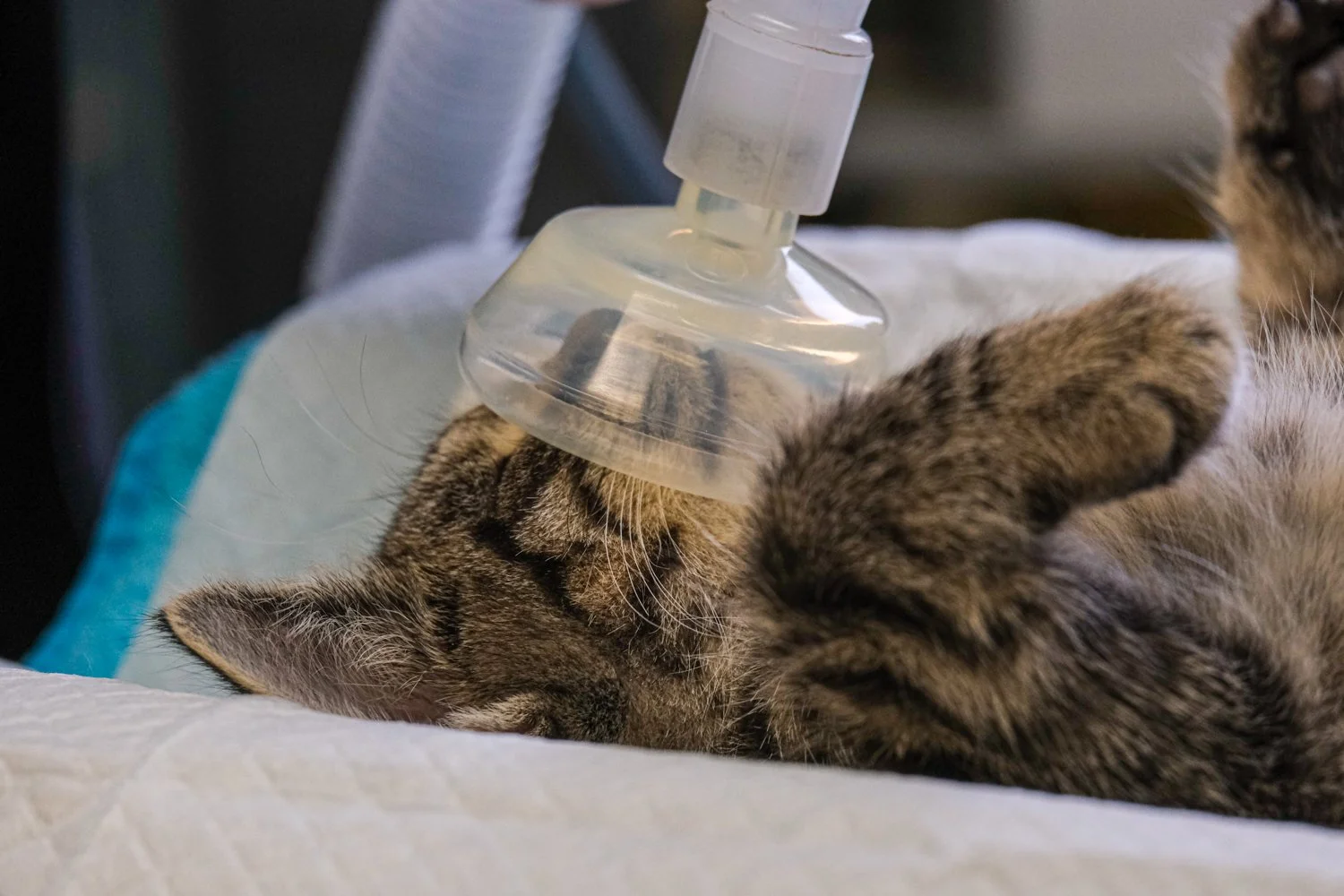
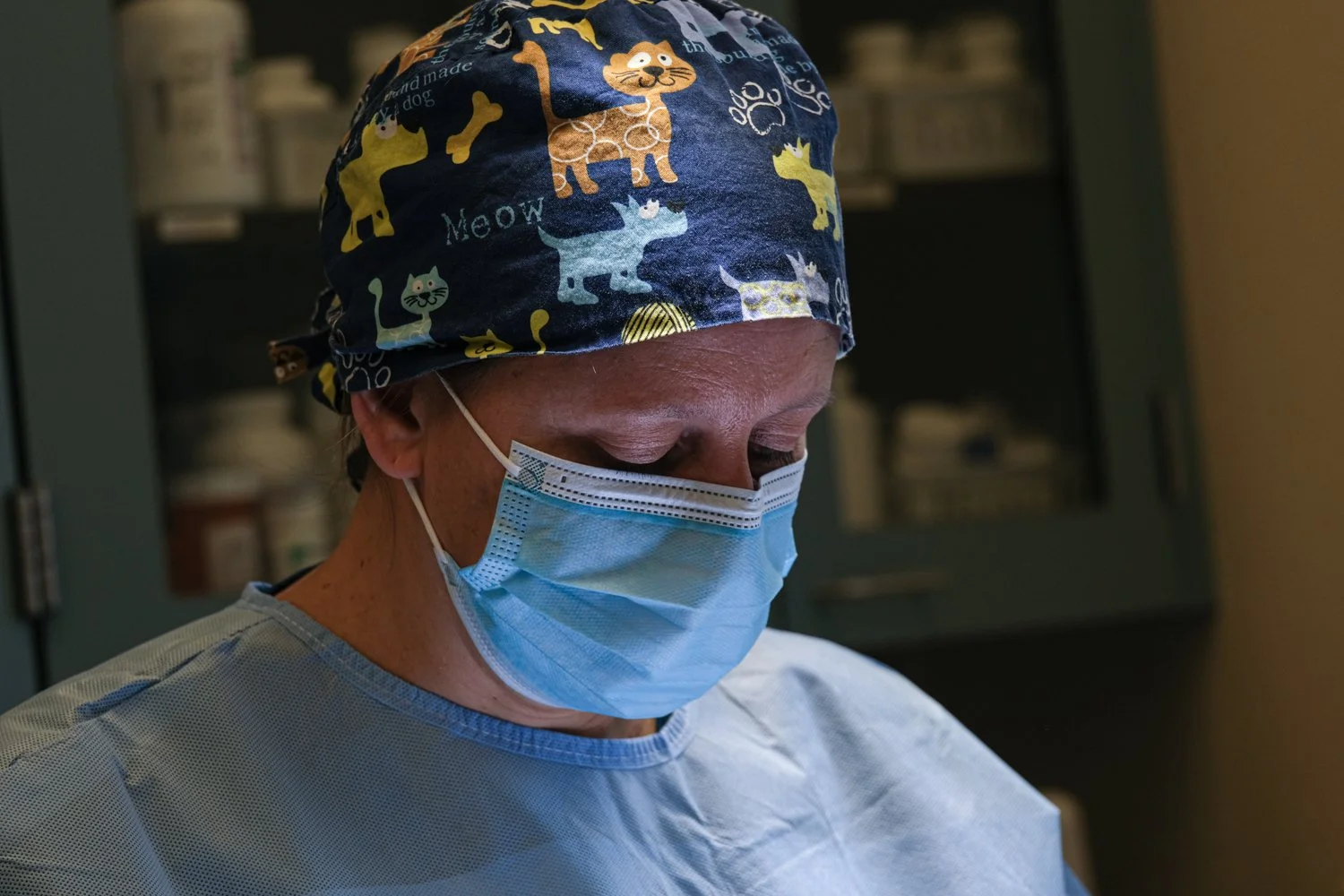
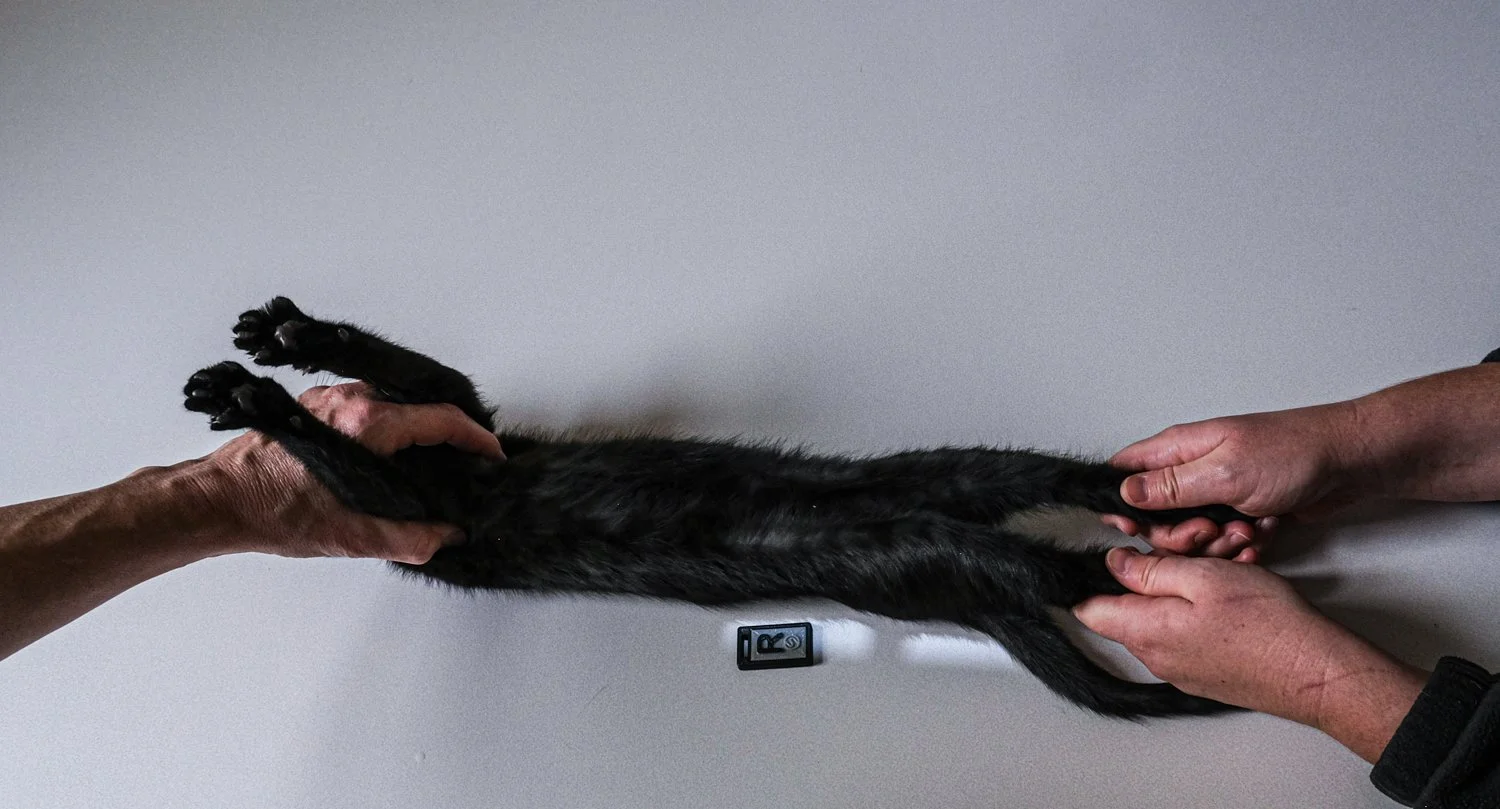
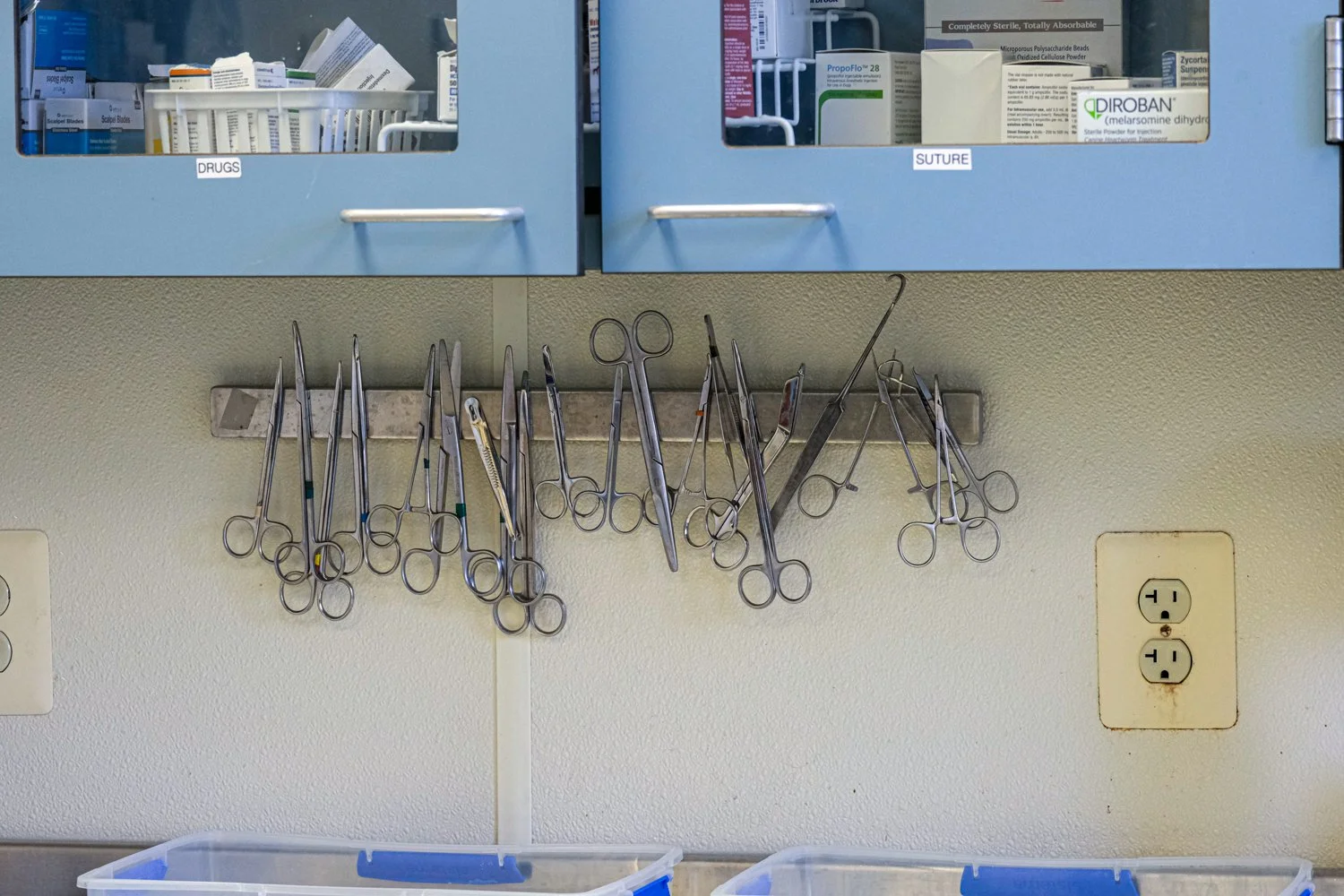
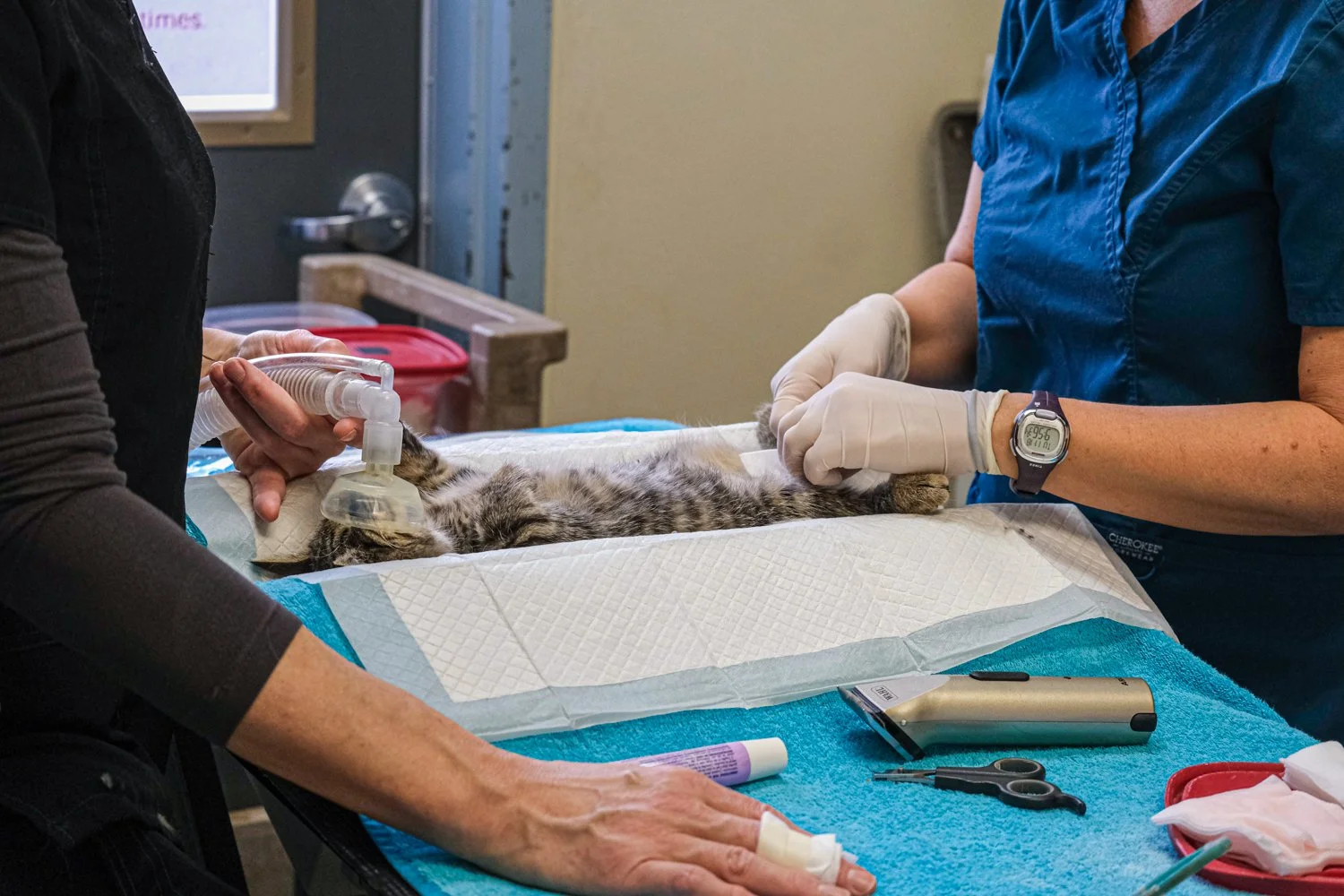
As I documented the Animal Welfare League of Arlington, I also wanted to look at the people who work behind the scenes to keep the shelter operating—those whose efforts are frequently overlooked and unappreciated. Although it makes sense that the animals are the focus of attention, the organization's employees, volunteers, veterinarians, and animal care technicians are what keep it going despite long hours, emotional stress, and hard work. These people clean kennels, give medical attention, arrange adoptions, handle crises, and console animals that have frequently been traumatized or neglected.
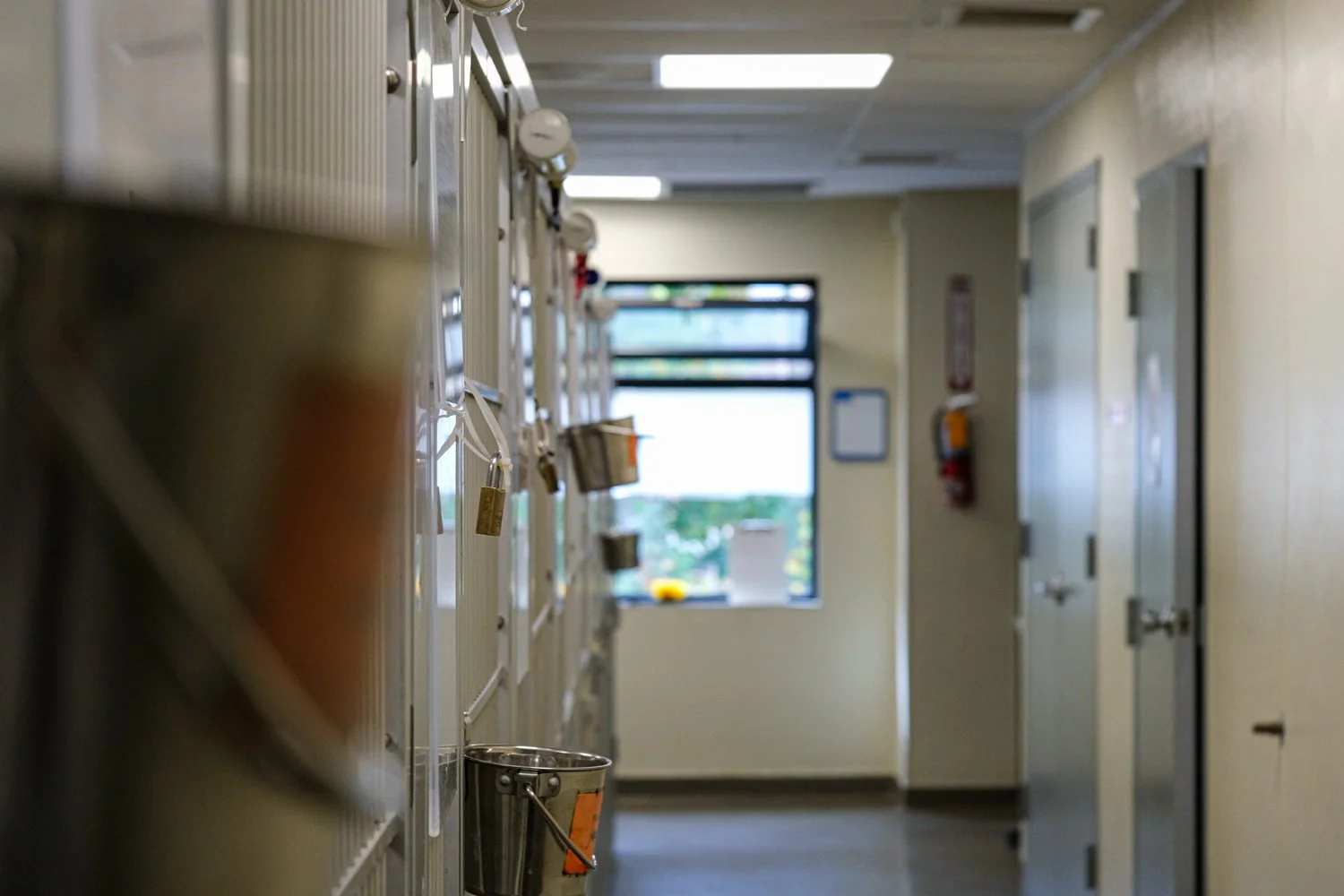
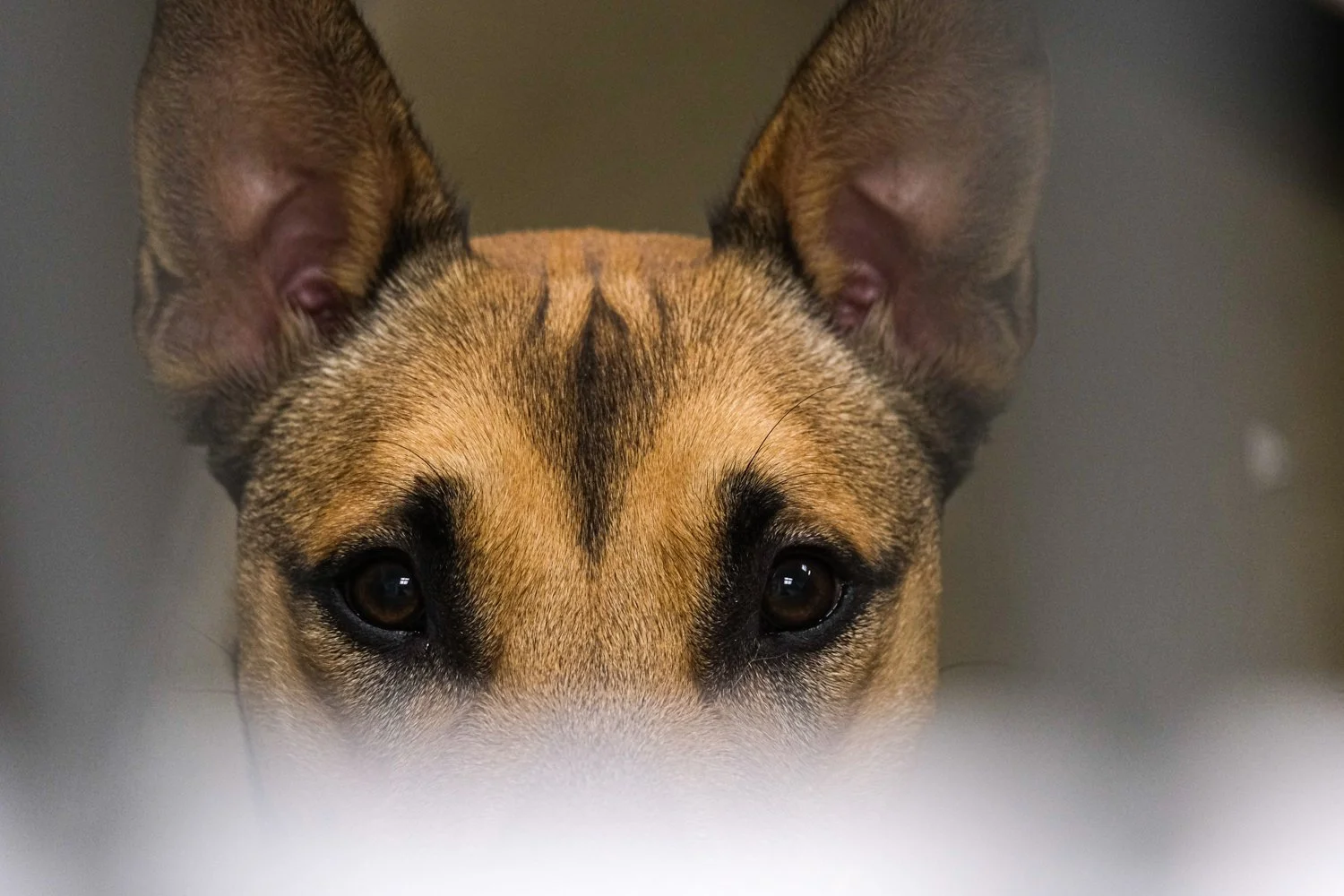
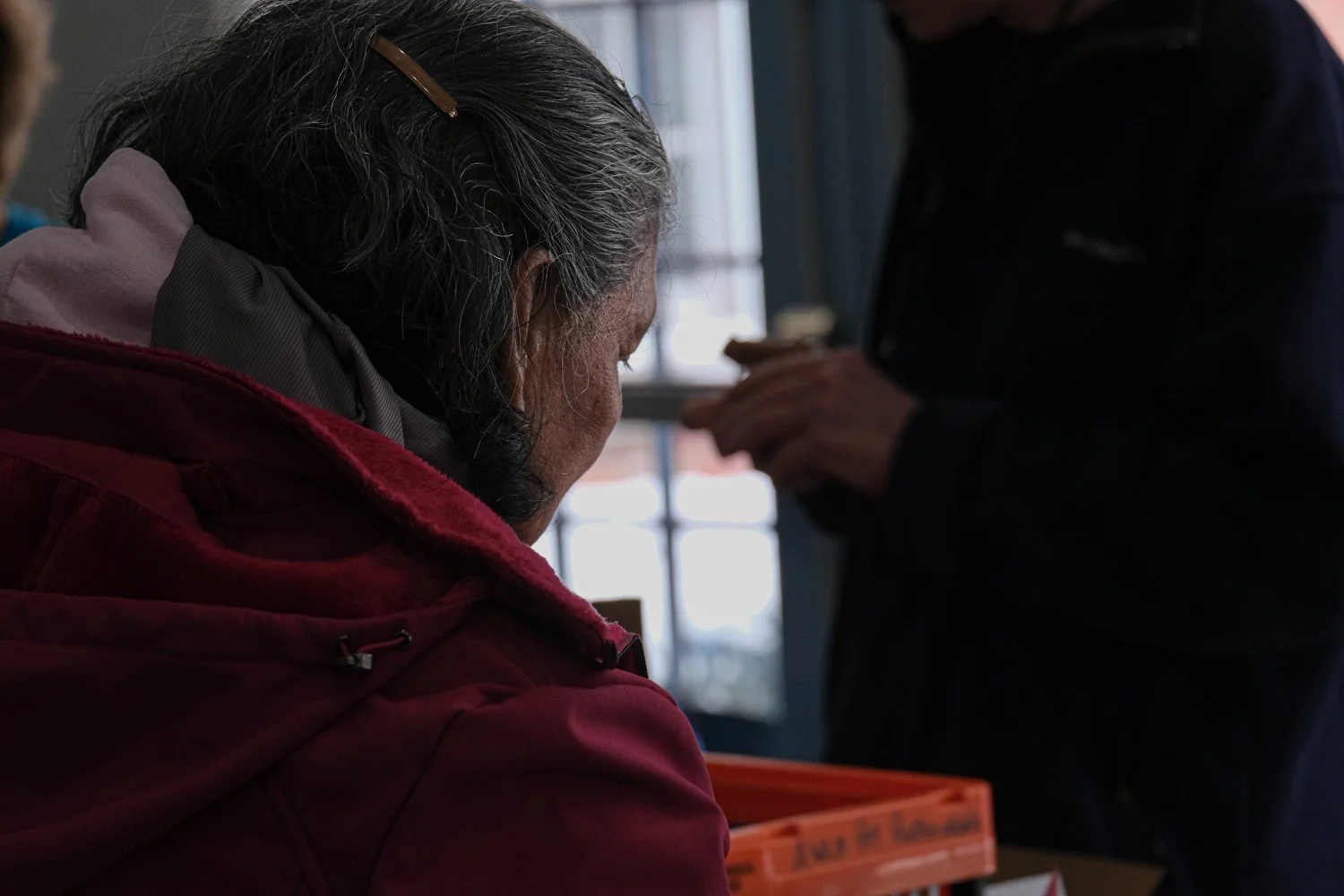
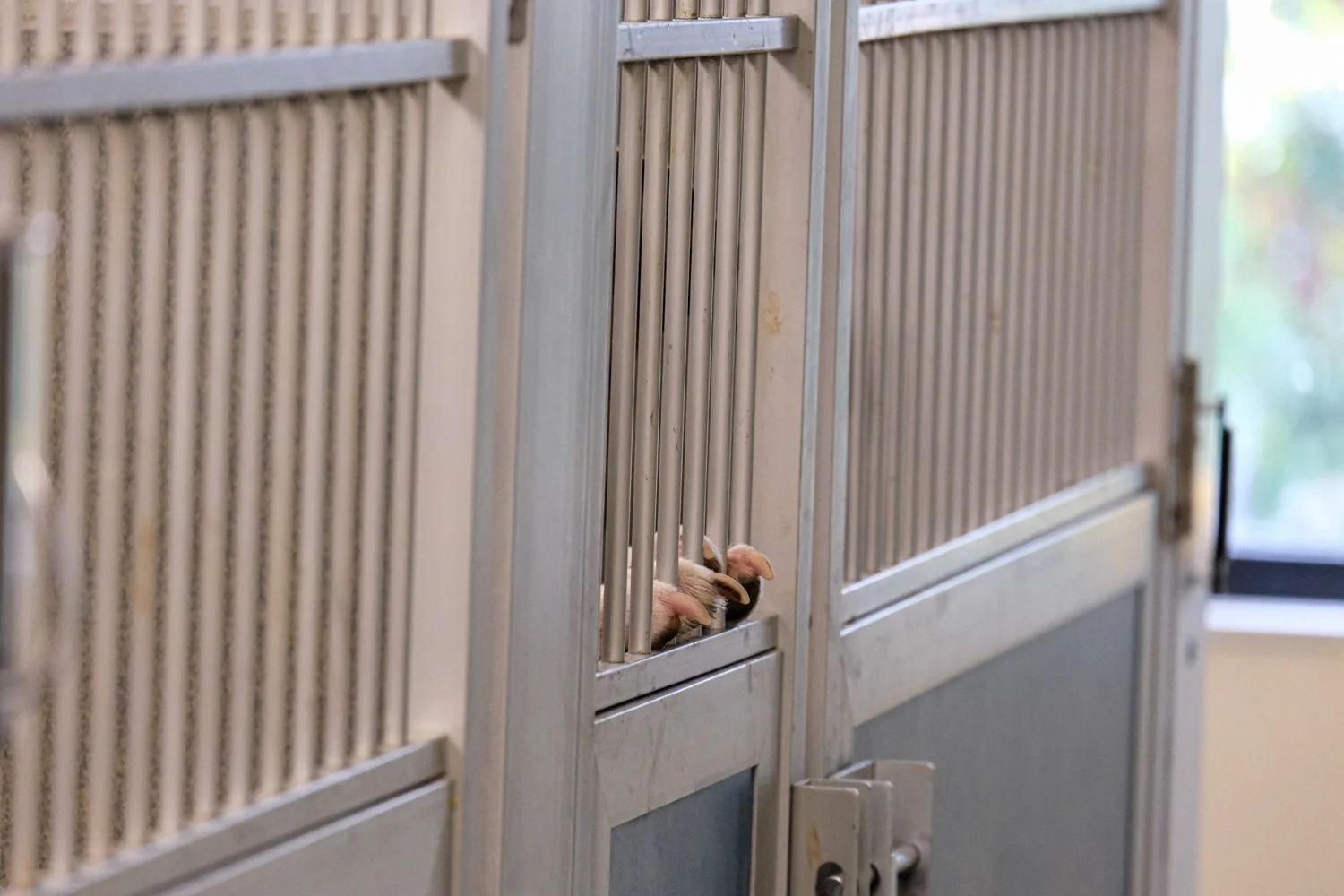
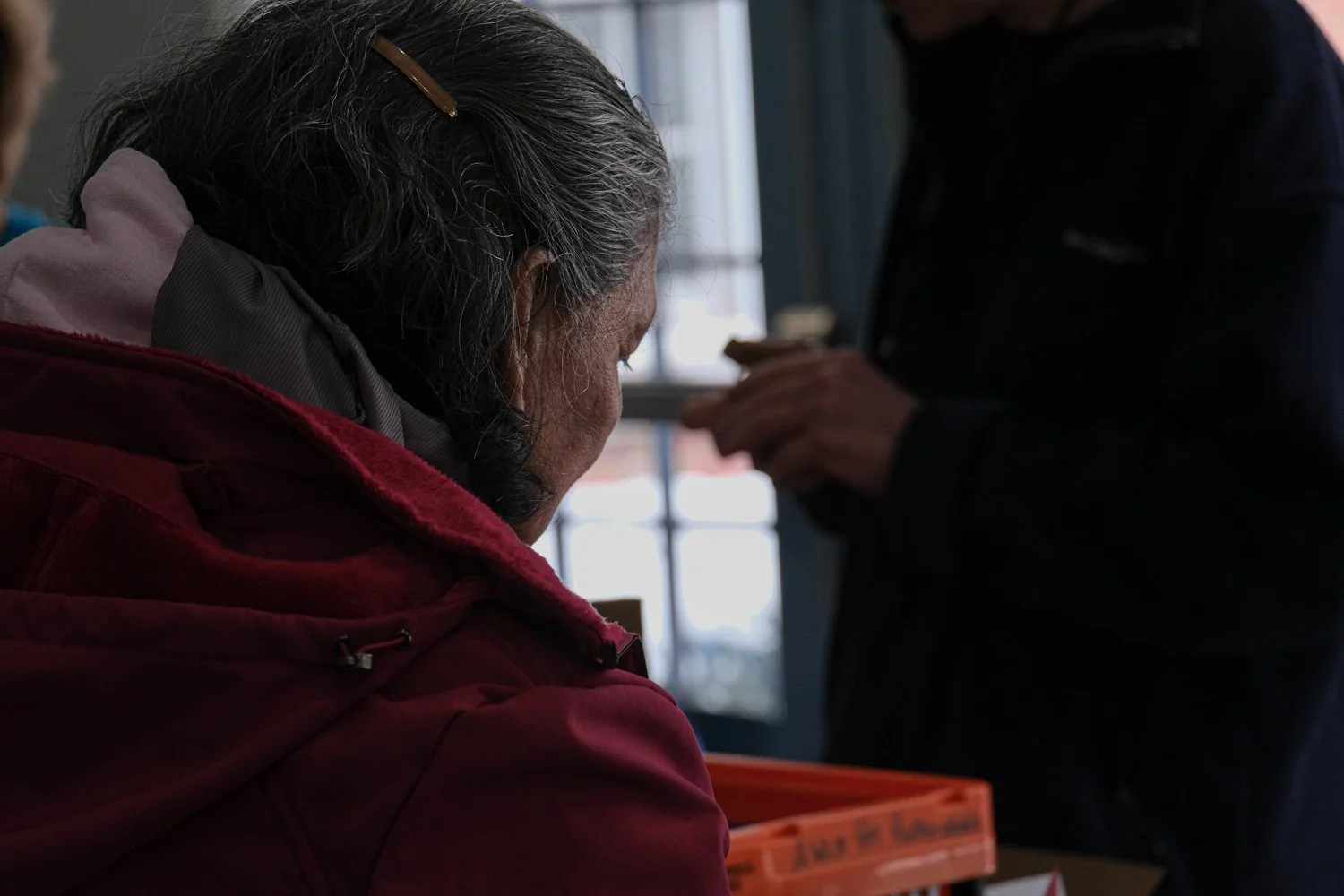
There is more to documenting the Animal Welfare League of Arlington than just taking pictures of animals in kennels. It entails sharing stories of people reconstructing their lives with the assurance that their friends are safe, families finding solace in a bag of donated pet food, and kids gaining confidence as they read to a purring cat. In these instances, AWLA demonstrates its actual influence—not just as an animal welfare group but also as a caring force ingrained in the local community.